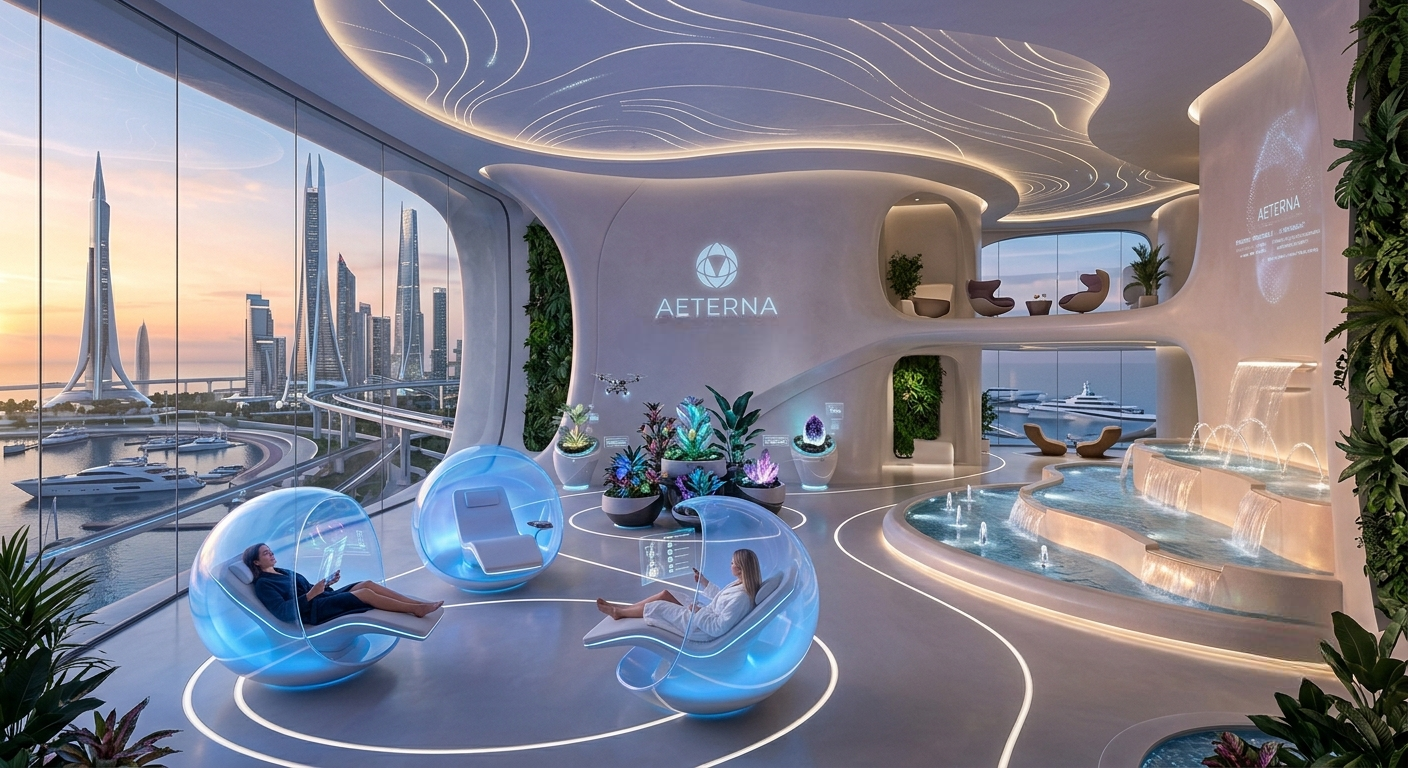
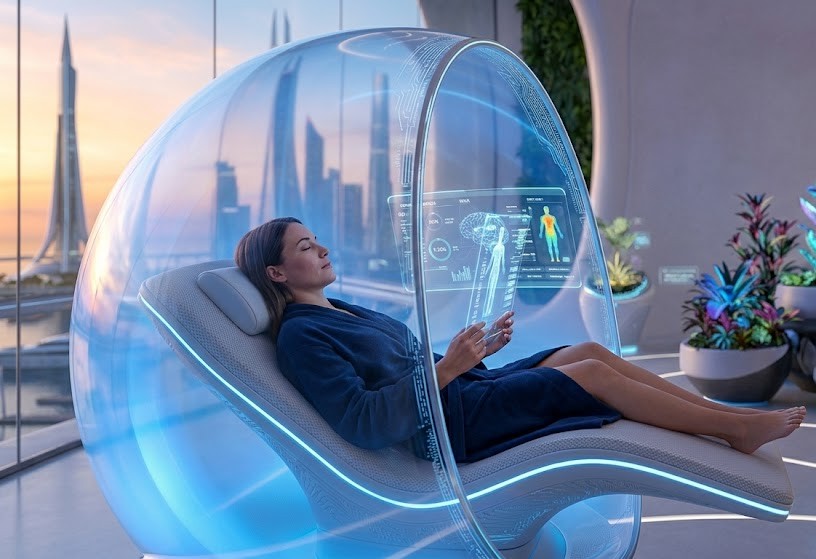
When designing a new SPA, the most frequent question is: what technologies should be included? The question, however, should be different: what technologies will actually be used by guests?
There is often a surprising gap between the design and reality. It is not uncommon to find wellness areas packed with sophisticated equipment that, after the initial enthusiasm, are used by only a minimal fraction of guests.
Meanwhile, they require maintenance, consume energy, and occupy valuable space. Every year, the market introduces new technologies for well-being. Innovation is essential, but not every novelty automatically represents added value. The risk is designing a SPA as a collection of attractions rather than a coherent journey.
The reasons are multiple. In some cases, guests do not understand what a specific installation is for. If no one explains its operation or benefits, it is natural for it to be ignored.
Other times, the technology disrupts the flow of the journey. If it is hard to reach, requires complex instructions, or forces the guest to choose between too many options, it is often simply skipped.
Finally, there is no shortage of solutions that look spectacular on paper but prove inefficient in practice, designed more to catch the eye during presentations than to address the actual needs of those who will experience the SPA.
The hidden cost
Unused technology does not just represent an ineffective initial investment. It also means energy consumption, scheduled maintenance, spare parts, technical inspections, and staff trained to manage an element that yields a minimal return. Furthermore, it occupies space that could have been dedicated to functions more appreciated by guests.
In a SPA, every square meter has an economic value. Allocating it to an experience that no one uses means reducing the overall efficiency of the facility.
More technology does not mean more well-being
The most appreciated SPAs are rarely those with the highest number of installations. They are those where every element has a precise function within the journey.
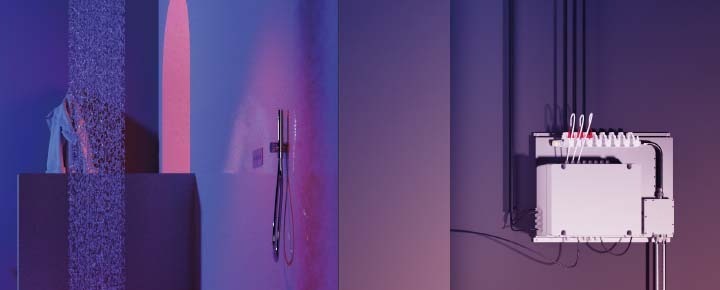
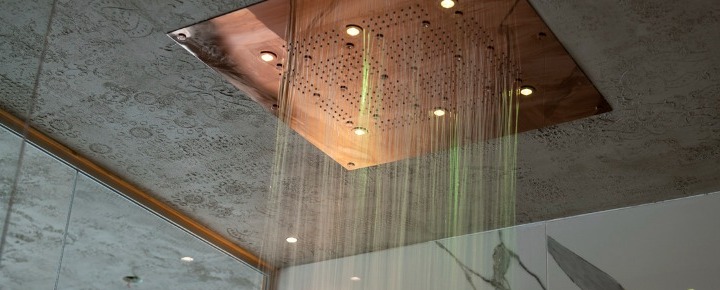
An Experience Shower, for example, finds its value when it accompanies the transition between two thermal environments, prepares the body for a new experience, or concludes a ritual. It is not an isolated attraction, but an integral part of the design narrative. The same principle applies to any wellness technology.
Designing with the guest in mind
Before choosing a technology, it is useful to ask a few questions.
Technology must disappear
The best technologies are those that the guest barely notices. Not because they are invisible, but because they work intuitively, without requiring explanations. The focus is not on the device, but on the sensation it produces.
This is the difference between a SPA full of equipment and a SPA capable of offering a memorable experience. Ultimately, the success of a wellness project is not measured by the number of technologies installed, but by how many of them truly become part of the guest experience.
Because the most expensive technology is not the one that requires the largest investment, but the one that no one uses.
DISCOVER ALSO