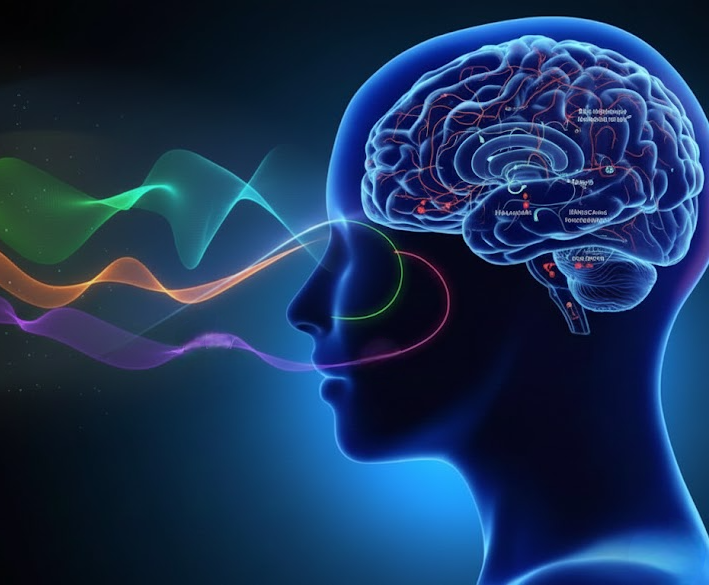
Sensory perception represents an advanced processing system through which the individual interprets the surrounding environment. Neuroscience research highlights how visual, acoustic, tactile, olfactory, and gustatory stimuli directly influence neurophysiological responses, affecting stress, cognitive performance, mood regulation, and the quality of psychophysical recovery.
The 5 Senses
Sight interacts with the limbic system, modulating emotional activity through brightness, contrast distribution, color saturation, and light temperature.
Hearing influences cortisol production and heart rate. Adequate control of the soundscape reduces physiological activation and promotes states of relaxation.
Touch and thermal perception generate autonomous responses linked to the sensation of security and comfort, according to principles studied within the field of embodied cognition.
Smell, thanks to its direct connection with the amygdala and hippocampus, activates memories and immediate emotional reactions, with measurable effects on anxiety reduction.
Taste, although less relevant in environmental terms, completes self-regulation processes through rituals that favor relaxation.
An environment that consciously uses these multisensory parameters improves the quality of the living experience and contributes to optimal psychophysical homeostasis. This is the source of the growing attention, in the design sector, towards solutions capable of generating controlled conditions of stimulation and well-being.
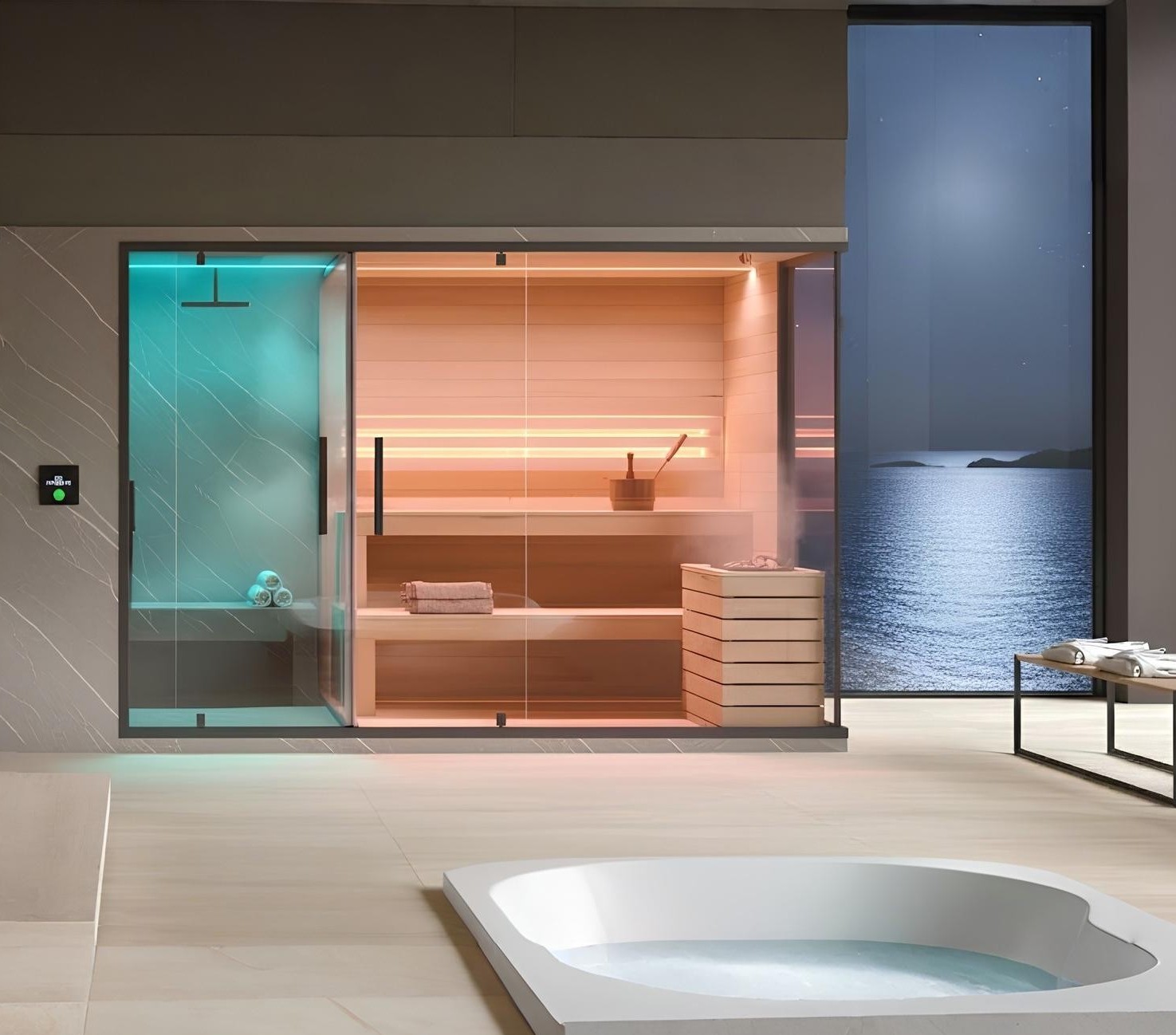
The domestic sphere is no longer considered solely a functional place, but a complex system where individual well-being and performance depend on the quality of the interaction between the user and the space. In particular, the evolution of bathroom environment technologies has made it possible to integrate devices capable of modulating sensory parameters with increasing precision.
Home wellness-oriented design adopts an approach that combines:
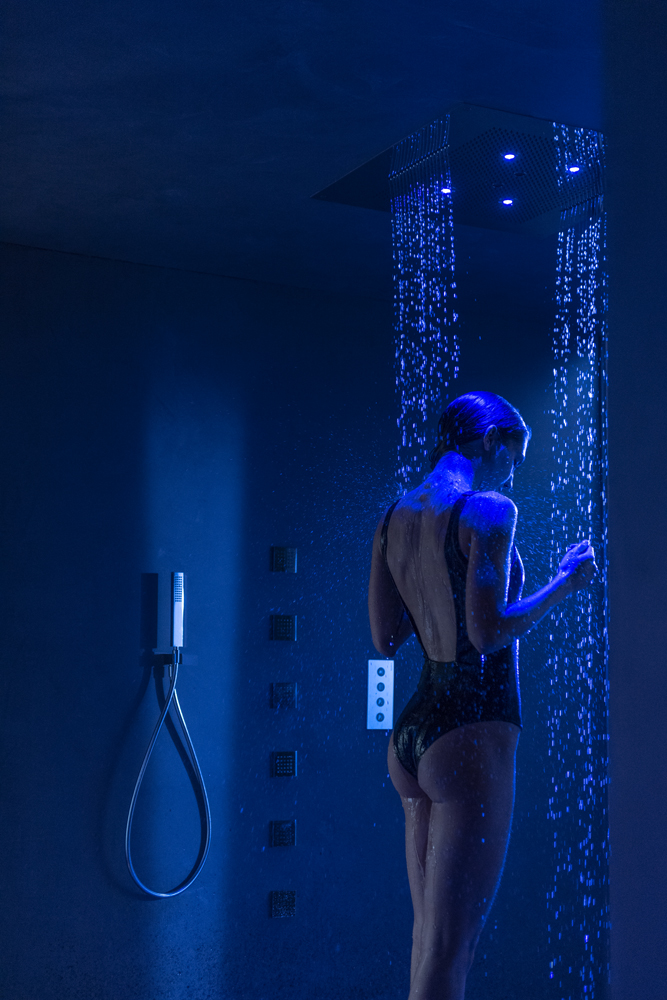
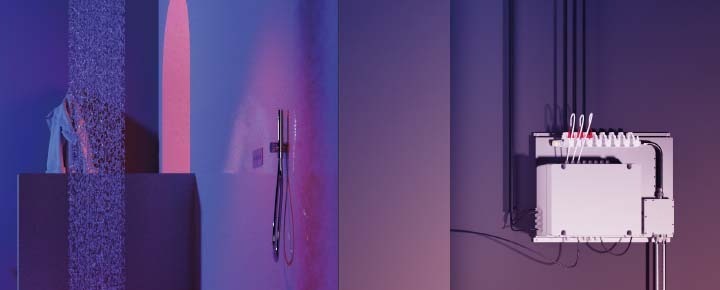
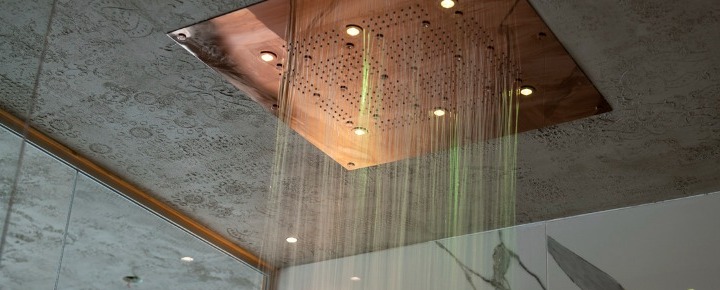
Experience Showers represent advanced devices for the simultaneous modulation of sensory stimuli. They are complete systems that combine hydraulic technology, lighting engineering, aromatherapy, and applied acoustics, generating calibrated and repeatable stimulation protocols.
Sensoriality, understood as a set of measurable and modulable parameters, is now a structural element of wellness-oriented design. The integration of Experience Showers into domestic spaces responds to this evolution, offering technical solutions capable of reproducing controlled and beneficial multisensory experiences for the individual. Discover the complete collection of Aquaform experience showers and enjoy your multisensory experience.
DISCOVER ALSO