

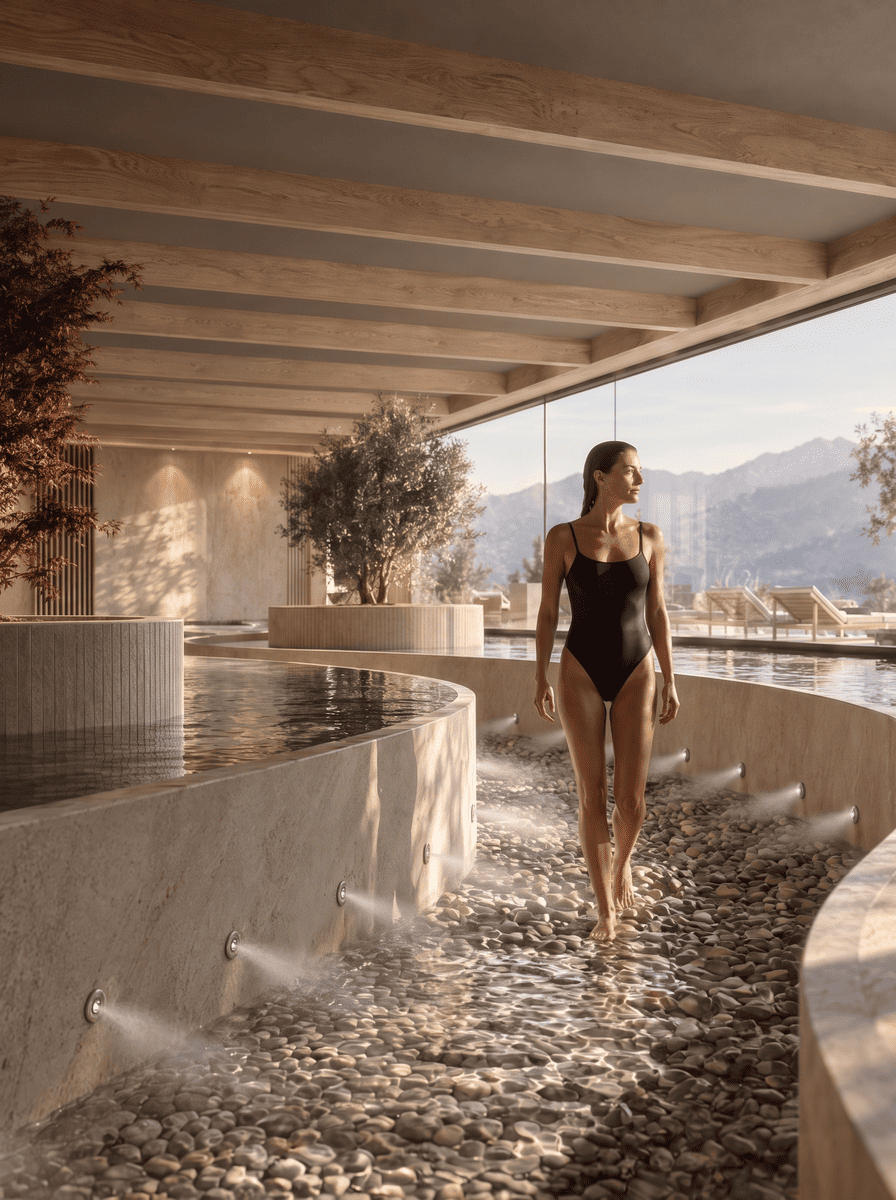
With this fourth chapter of our guide, we continue exploring the main functional areas of the SPA. Having examined the role of heat and the management of cooling, we now turn our attention to the beating heart of every SPA destination: the water zone.
The design of this area is no longer driven by purely recreational or swimming-related considerations. Instead, it is conceived as a multisensory wellness journey, in which water does more than complement heat-based experiences: it becomes the central driver of the overall experience. As demonstrated by major urban regeneration projects and contemporary immersive SPA concepts, water is playing an increasingly important role in the evolution of wellness, shaping more conscious and targeted experiences.
Key Components of the Water Zone
The Social Bathhouse Concept and Shared Wellness
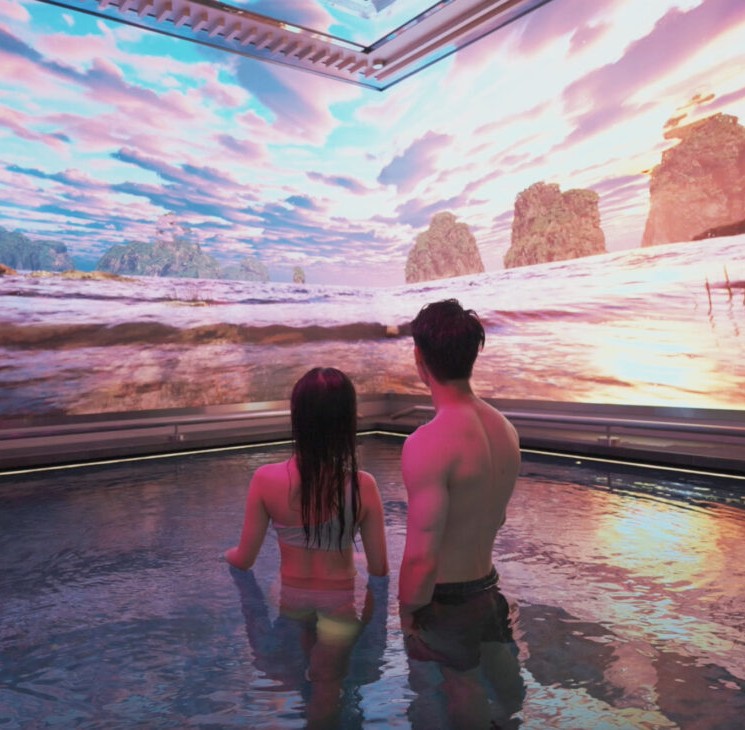
The water zone is undergoing a significant conceptual shift. Once dedicated primarily to silence and individual use, it is increasingly becoming a hub for social interaction and shared experiences. In cutting-edge urban facilities and international resorts, demand is growing for Social Bathhouse concepts: communal aquatic spaces where architecture encourages interaction, social connection and group relaxation.
Designing for this dimension means carefully balancing water volumes, seating arrangements and pool depths, creating immersive aquatic environments that combine a convivial atmosphere with guest privacy and acoustic comfort.
Sustainability and Circular Economy in Water Engineering
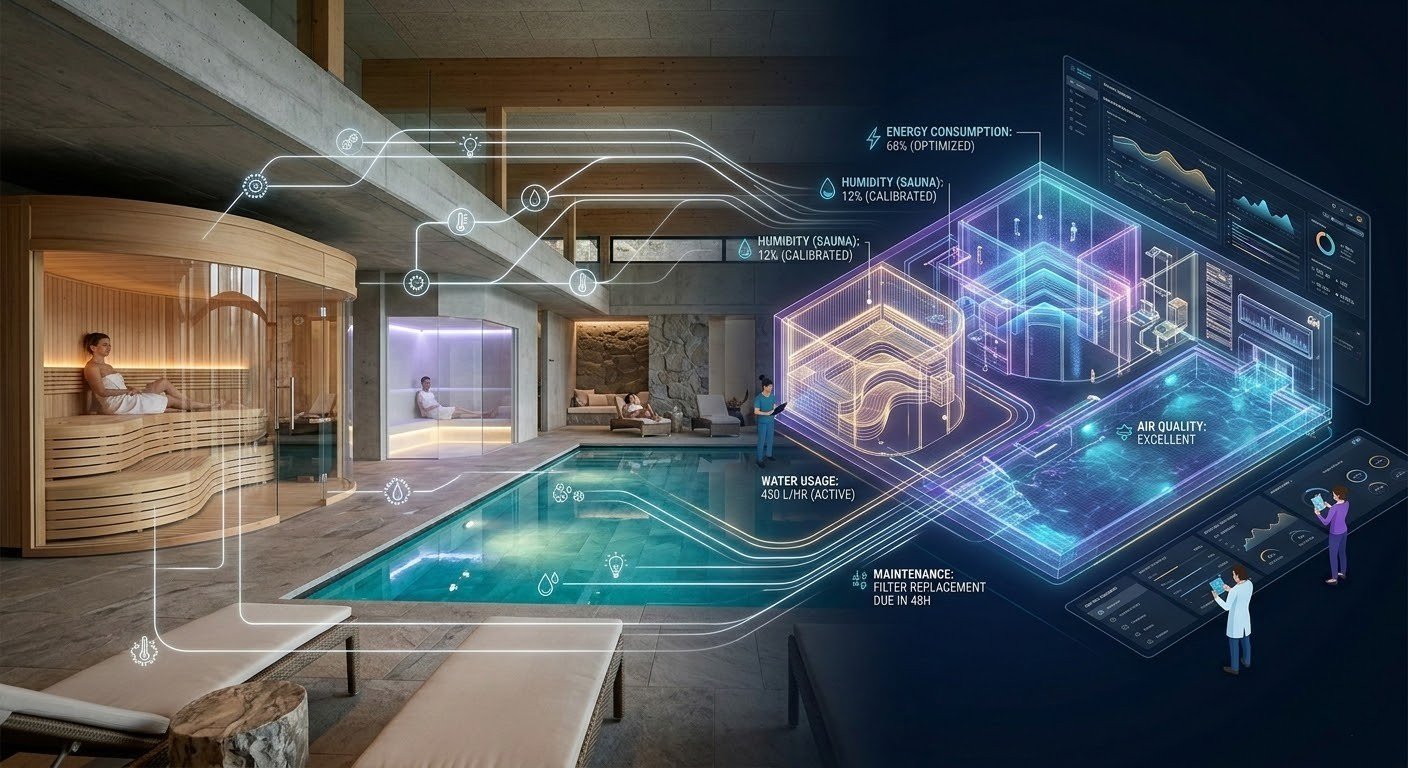
In today's hydrothermal sector, luxury cannot be separated from environmental responsibility. The efficiency of water systems is measured by engineering choices that combine maximum experiential value with responsible resource consumption. Smart technologies, such as intelligent mixers, timed flow controls and low-consumption nozzles, make it possible to manage water and energy efficiently without compromising the perception of abundance or the pleasure of the water experience.
Furthermore, the use of high-performance materials, such as 316L stainless steel and liquid silicone components, helps reduce limescale build-up and extend the service life of commercial installations. These materials also support high hygiene standards and simplify routine maintenance.
Neuroaesthetics and the Personalisation of Water Experiences
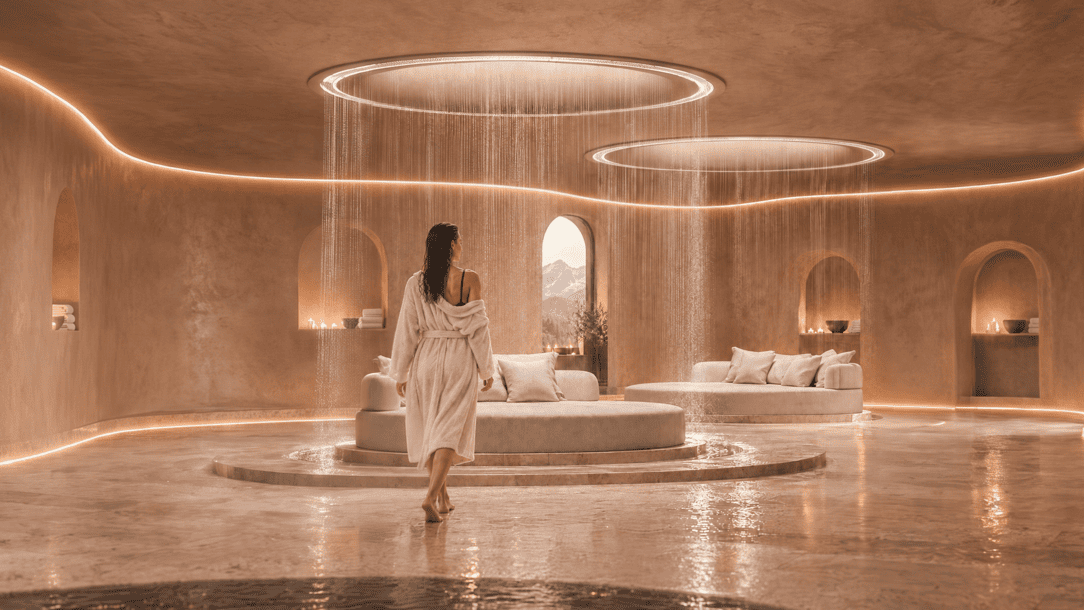
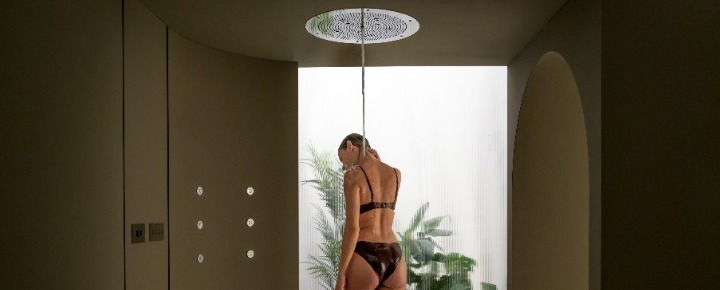
Integrating neuroaesthetics into water zone design makes it possible to target guests' sensory and nervous system responses more effectively. The carefully calibrated combination of varying water pressures, progressive temperature changes, light frequencies (chromotherapy) and olfactory stimuli can influence physiological responses, including cortisol regulation and endorphin release.
By moving away from standardised treatments towards customisable sensory journeys, designed around specific goals such as muscle recovery, deep relaxation or renewed energy, the water zone becomes an active tool for neuro-wellness. It can therefore offer tailored experiences that respond to the health and longevity needs of today's SPA guests.
Upcoming Chapters in the Guide
In the next instalments of our guide, we will continue exploring the functional areas and the overall SPA experience:
DISCOVER ALSO
-11f8e7.jpg)