

When we think of a SPA, our minds immediately turn to refined materials, evocative atmospheres, soft lighting, and design details capable of conveying well-being. Yet, long before the contemporary concept of a SPA existed, water was already there. It is from water that everything originates
Indeed, the earliest forms of collective well-being emerged around thermal springs, public baths, and places dedicated to immersion and purification. From Roman baths to Middle Eastern hammams, up to Japanese onsen, different cultures have developed a profound relationship with water over the centuries, recognizing not only its functional value but also its symbolic, social, and therapeutic significance.
In contemporary SPA design, there is sometimes a risk of considering water as merely one of the elements of the project. In reality, it should be the opposite: the project should be born from the water.
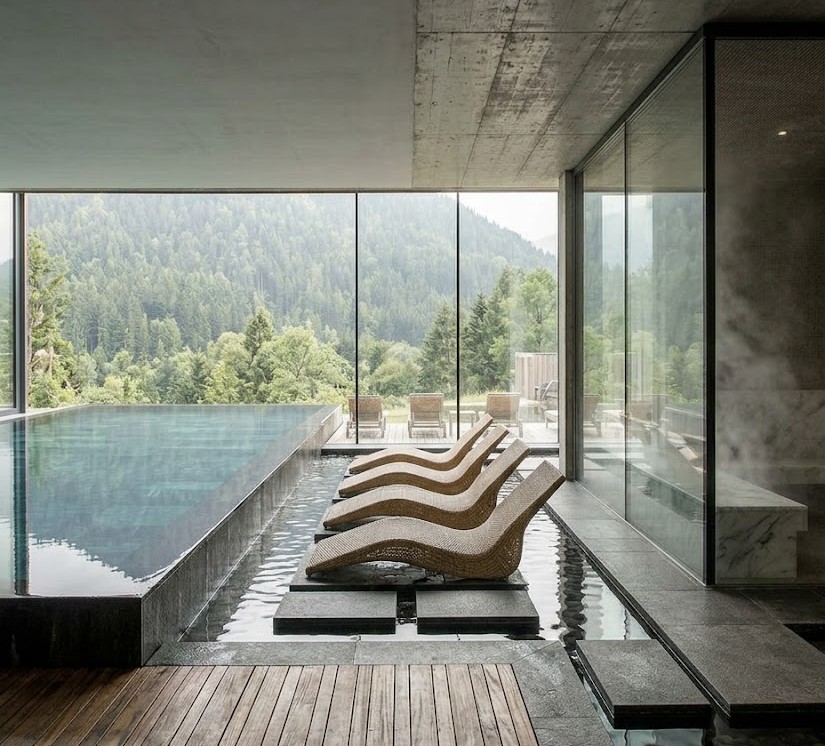
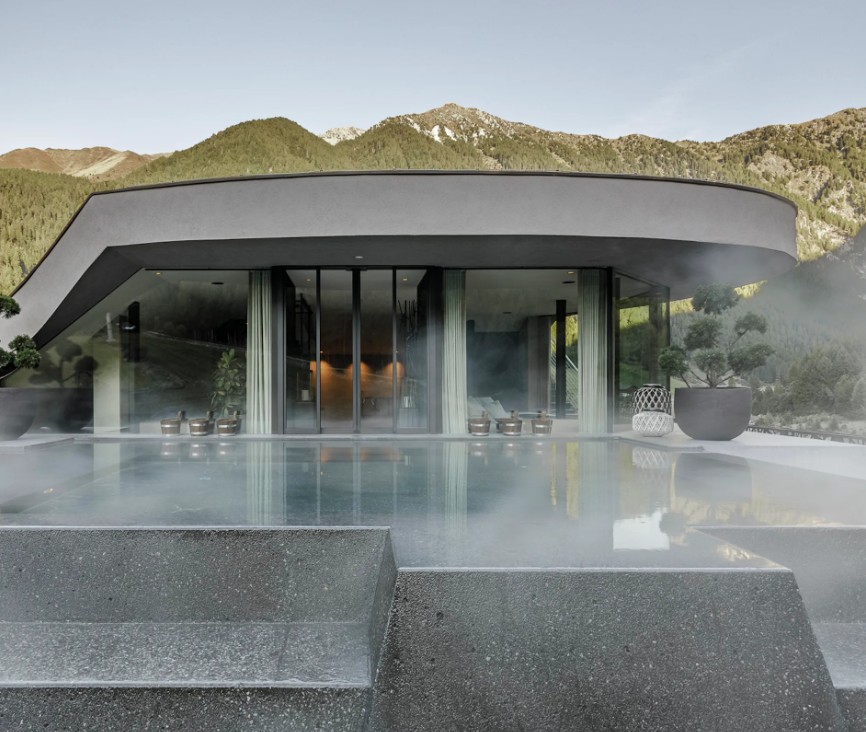
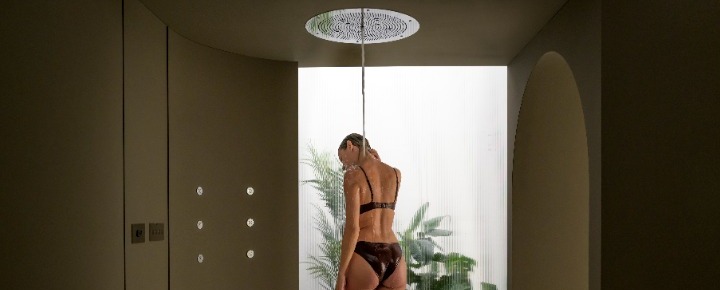
Water is the wellness architect's primary material. It determines pathways, rituals, lengths of stay, physical sensations, and emotional perceptions. A swimming pool, a whirlpool tub, an Experience Shower, or a Kneipp path are not simply equipment. They are tools through which the body connects with the space.
The quality of the experience therefore depends on the design's ability to enhance the encounter between the person and the water.
The Value of Ritual
Since ancient times, water has been associated with rituals of regeneration. Immersion, transitioning from hot to cold, contact with steam, or simulated rain represent actions that involve the body but also the emotional sphere.
For this reason, the most effective SPAs do not limit themselves to offering services; they build true experiential sequences. Each aquatic element becomes part of a narrative that guides guests along a path of relaxation, recovery, and reconnection with themselves.
Architecture thus takes on the role of director of these experiences, defining how water is perceived, lived, and remembered.
Physical and Mental Well-being
Numerous studies have highlighted how contact with water promotes relaxation, contributes to stress reduction, and improves the overall perception of well-being. But the value of water goes beyond physiological aspects.
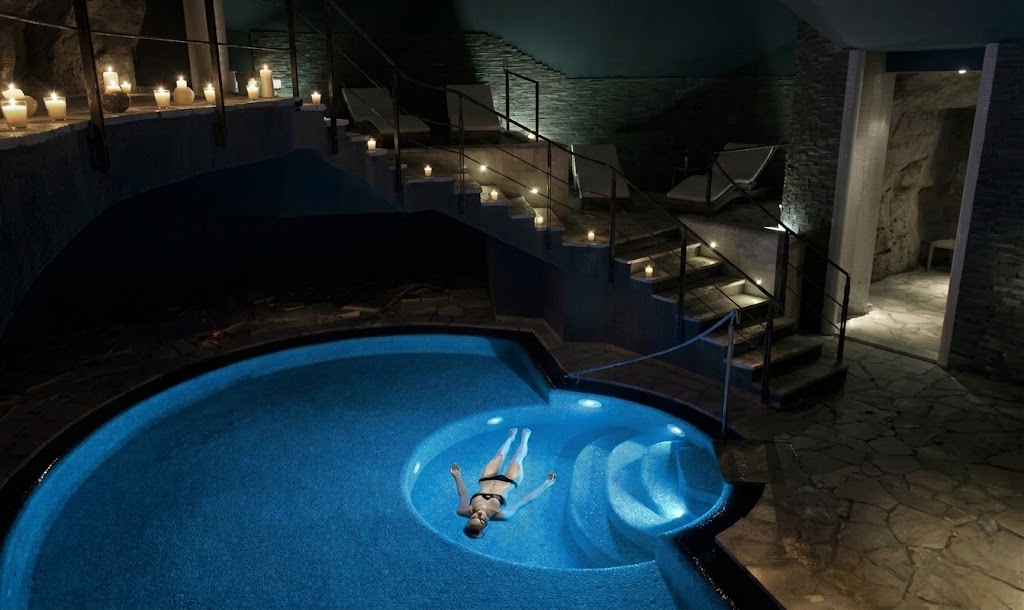
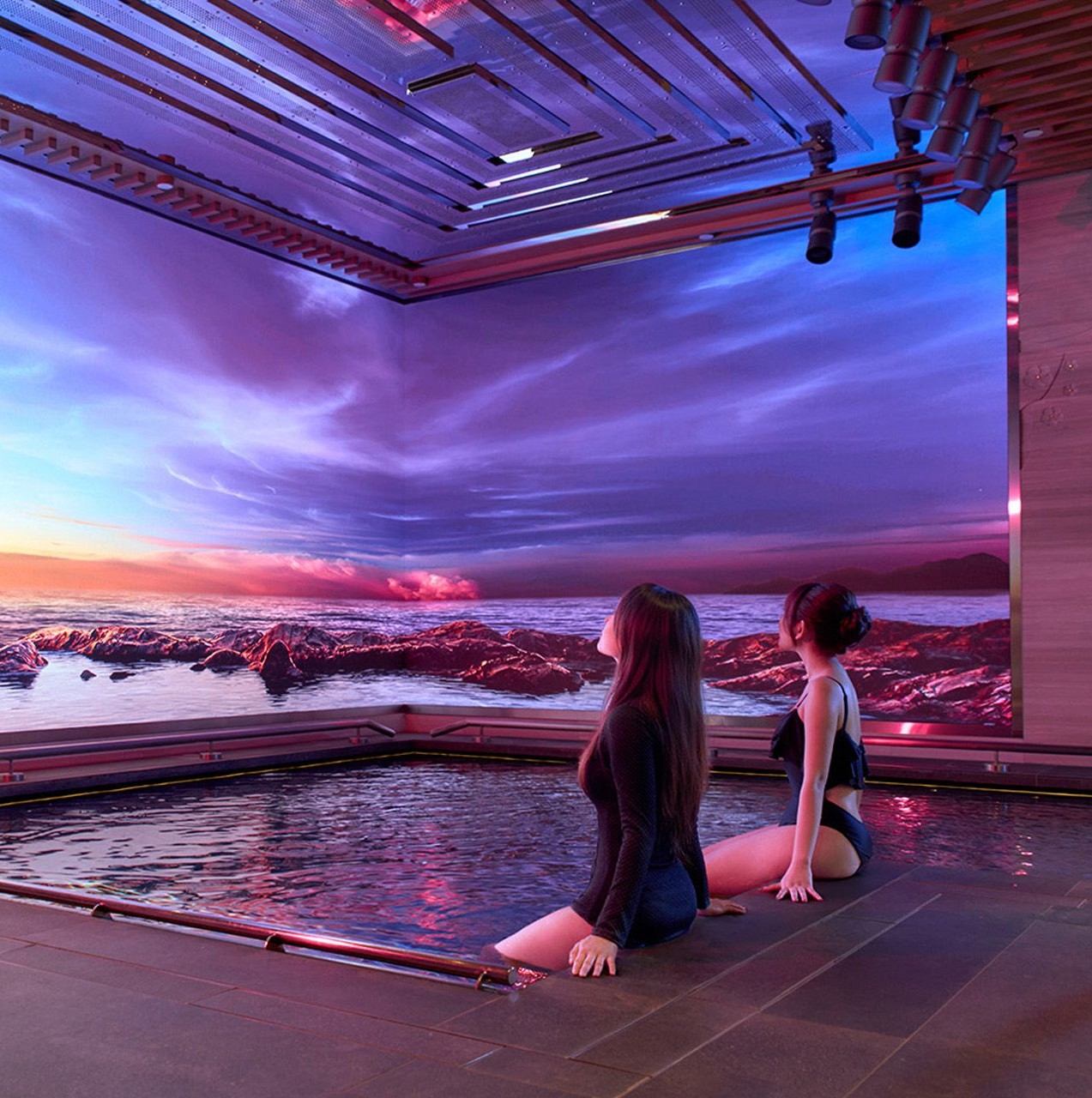
The sound of moving water, the reflections of light on the surface, the sensation of floating, or the simple act of immersion create conditions that help slow down the mental pace and restore a sense of balance.
For this reason, designing a SPA means designing a space that dialogues with people's emotions through water.
For the architect, placing water at the center of the project means making a shift in perspective.
It is not simply a matter of identifying the space where to place a pool or an experience shower. Instead, it is necessary to understand what role water will play in the user's overall experience.
What feeling should it convey upon arrival? How will it accompany the wellness journey?
What emotions should it leave at the end of the experience? The answers to these questions influence the layout of spaces, the choice of materials, acoustics, lighting, and even the relationship with the surrounding landscape.
The contemporary SPA is therefore not born from a set of functions, but from a vision. And at the center of this vision remains the element that has accompanied humanity for millennia in the search for well-being: water.
Before Architecture, Water
Every successful wellness project starts with a fundamental question: what aquatic experience do we want to offer? Only then do the spaces, materials, and design follow.
Because the true origin of the SPA is not architecture. It is water.
DISCOVER ALSO
-11f8e7.jpg)