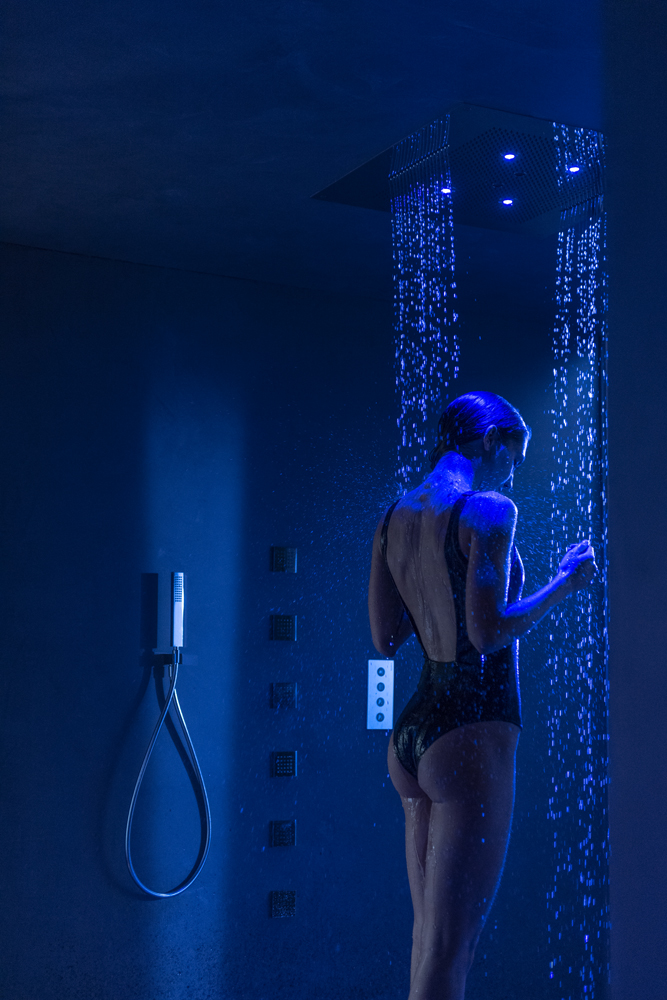
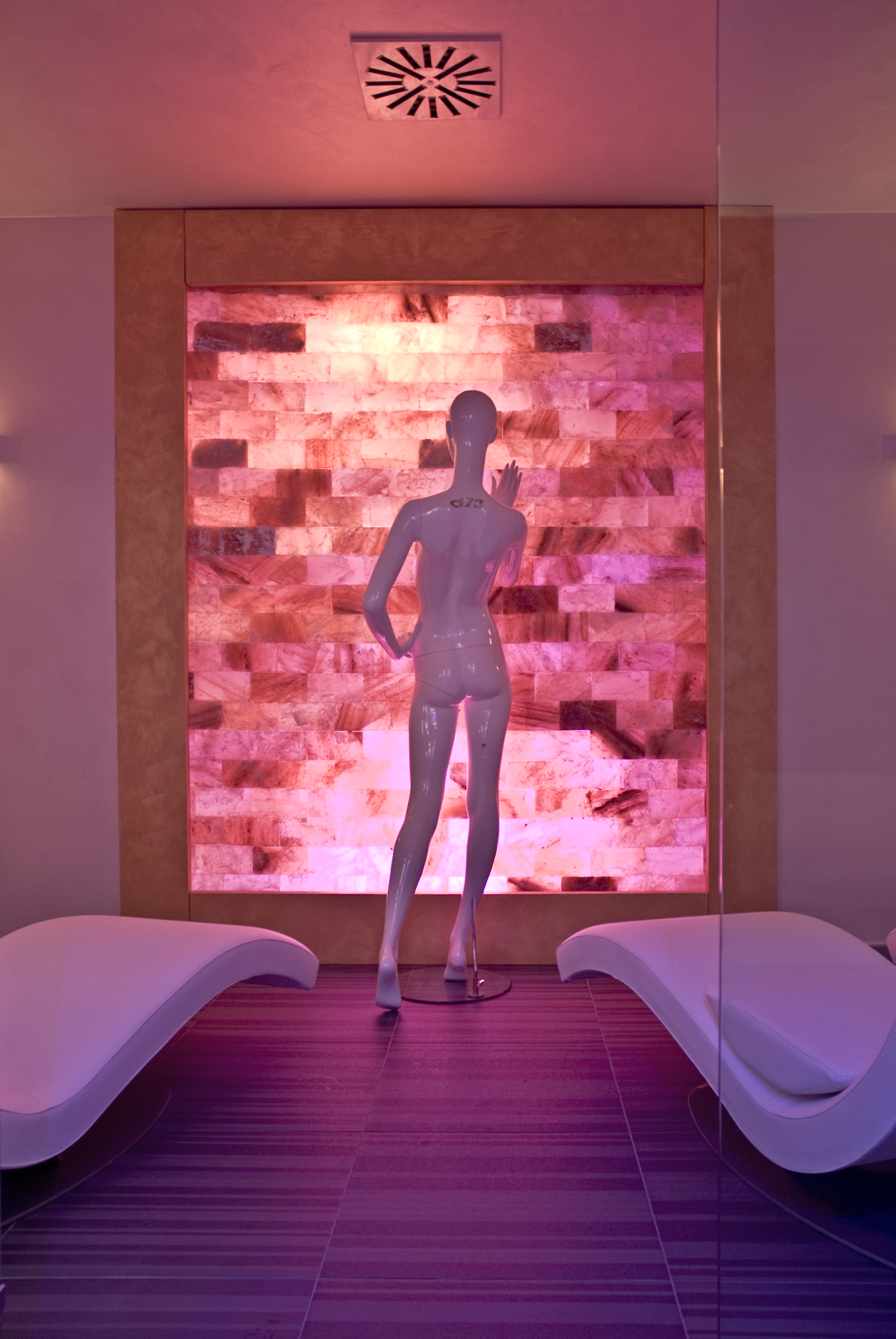
In today’s wellness landscape, where personalization and sensory engagement are paramount, experience showers have emerged as the intersection of technology, architecture, and neuroscience. No longer merely functional fixtures, they have evolved into sophisticated design instruments capable of stimulating the senses and restoring a profound balance between body and mind.
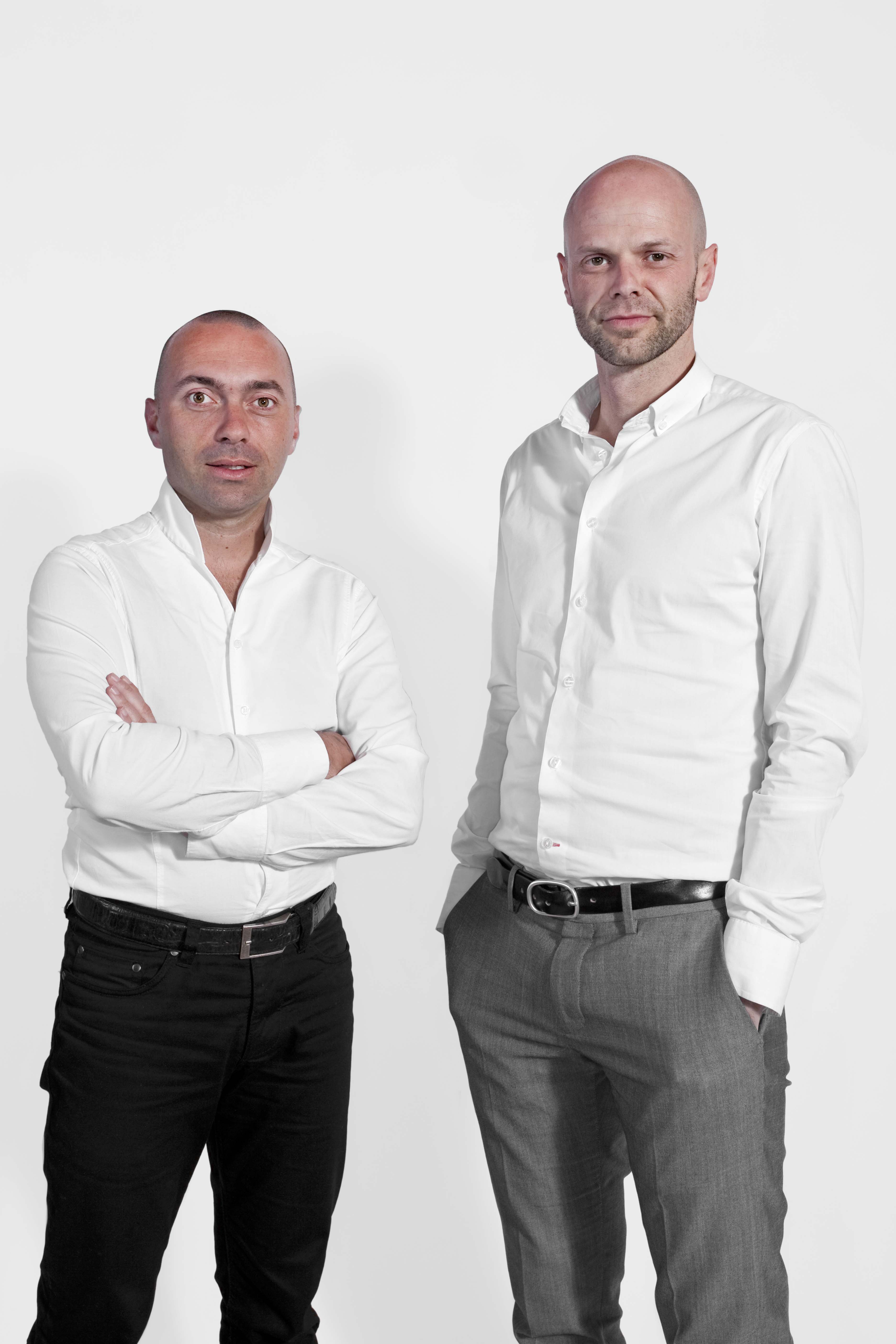
We explore this evolution with Studio D73, an international practice that has been designing global wellness destinations since 2007. The firm is renowned for its bespoke approach and a design philosophy that seamlessly weaves together aesthetics, functionality, and premium materials
The concept of well-being has evolved in recent years. How do experience showers fit into this shift?
Today, well-being is no longer perceived as an elective luxury, but as a necessity.
We live in a state of constant cognitive stimulation: notifications, content, and continuous information. This overload directly impacts the nervous system, reducing our capacity for recovery.
Experience showers were born as a design response to this very need: they activate the senses in a calibrated way, creating real pauses, spaces where the brain can slow down and restore balance
As designers, do you consider the benefits of Experience Shower to be tangible and measurable?
Neuroscientific research shows that stimuli such as variations in temperature, light, and aromas act on the autonomic nervous system. For example, the alternation between heat and cold promotes vasodilation and vasoconstriction, improving blood and lymphatic circulation. Chromotherapy, on the other hand, influences mood by modulating the production of neurotransmitters, while aromas directly activate the limbic system, which is responsible for emotions. In this sense, a well-designed experience shower is not just a pleasant experience, but a true tool for physiological regulation.
As designers with strong expertise in the SPA sector, we are well aware of these benefits and consider them essential elements in creating an environment that is truly therapeutic and regenerative.
What is the role of design in all of this?
It is central!
It is not enough to simply incorporate advanced technology: you must build a coherent ecosystem of spaces and experiences. At Studio D73, we focus on designing the overall sequence, envisioning a journey that gradually guides the user toward a state of deep relaxation. The technical calibration of stimuli, water jets, light intensity, fragrances, is developed in collaboration with specialized partners like Aquaform, who are able to translate the design intent into precise and measurable sensory experiences. Our role is to create the spatial and emotional conditions that allow these technologies to express themselves at their best.
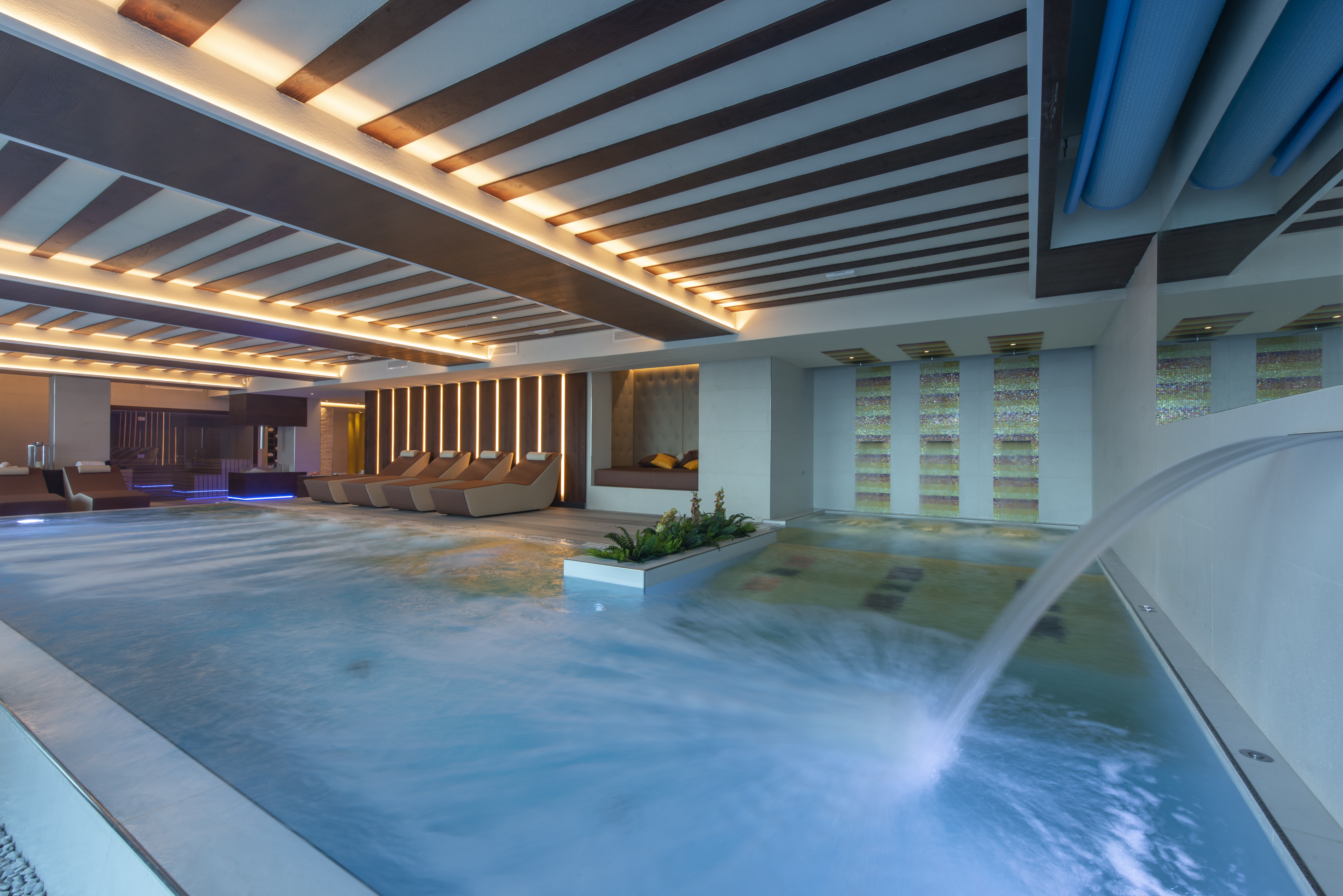
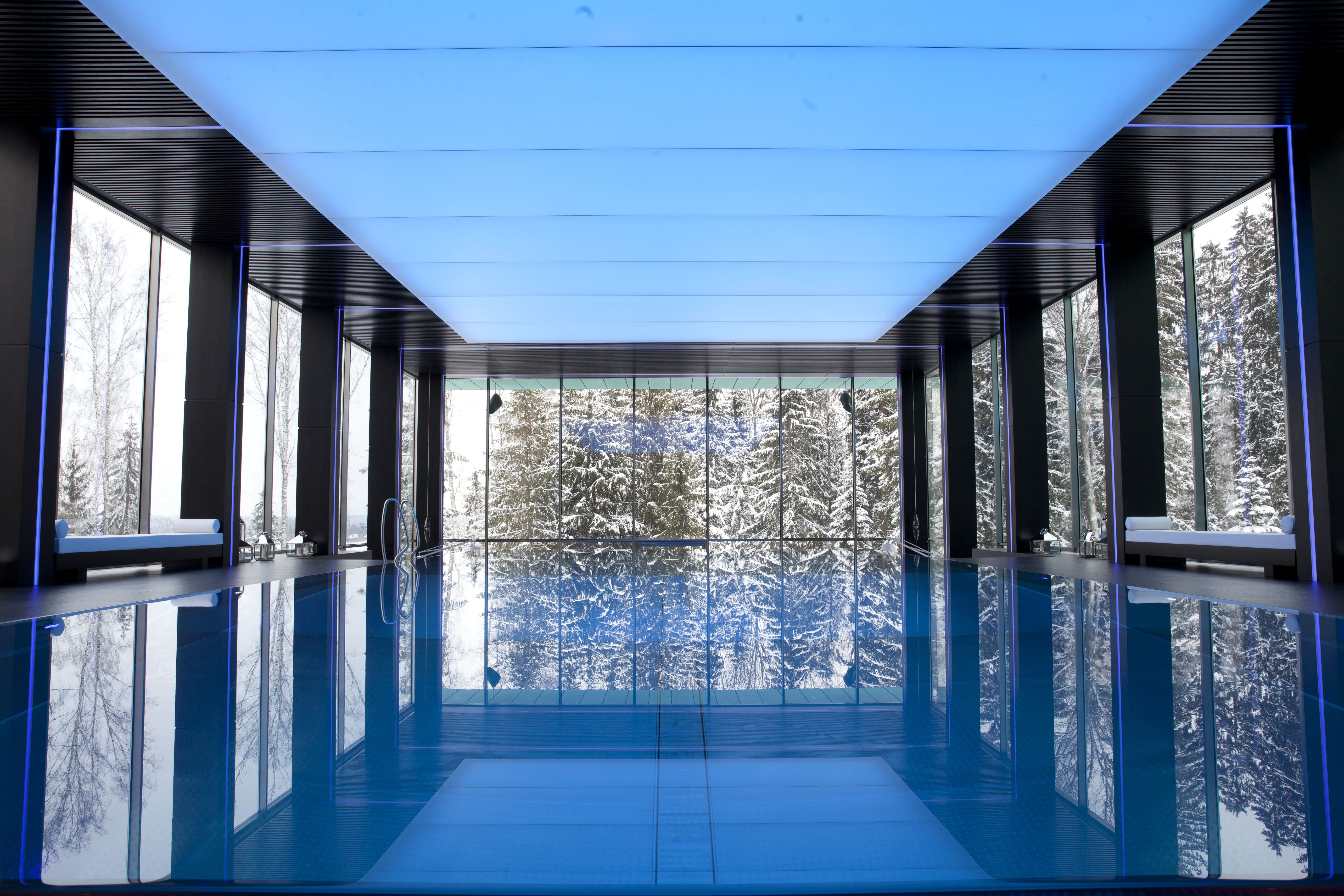
Furthermore, we place great emphasis on the quality of materials and timeless design. Projects like the Golden Mile or the Hotel Ambassadori Tbilisi reflect this vision: environments designed to last, capable of conveying authenticity and continuity. The goal is to make the user feel welcomed and protected, in a space that encourages letting go of daily stress and leads toward a deeper dimension of well-being.
At the same time, every design choice takes into account safety, hygiene, and ease of maintenance, which are fundamental in wet environments. The selection of materials, the study of construction details, and flow management are essential elements to guarantee not only a quality experience but also high and lasting standards over time.
How do you balance aesthetics with functionality?
For us, there is no separation. A successful project is always the result of a balance between form and function. Experience showers must be intuitive, accessible, and high-performing, yet also harmoniously integrated into the space. We often work on bespoke solutions, adapting every detail to the client's needs and the specific type of end-user.
Whether it is a luxury spa, a gym, or a beauty center, the goal remains the same: to create a fluid, frictionless experience.
D73, a high end architecture and interior design studio,
shapes experiences that embody individuality, timeless refinement, and lasting value, translated into an international portfolio ranging from private residences to hospitality. Within this perspective, how is the presence of experience showers evolving in the domestic environment?
From this perspective, how is the presence of Experience Shower evolving within the domestic environment?
We are witnessing a significant shift: the bathroom is no longer perceived as a purely functional space, but as an extension of the living area dedicated to self-care. The home is becoming the primary refuge for daily regeneration, and the integration of an experience shower represents the culmination of this transformation.
In residential settings, the design challenge becomes even more compelling. While in a large spa users seek an escape from everyday life, at home they look to maintain a continuous sense of well-being.
We design solutions that integrate seamlessly into domestic architecture in a discreet yet impactful way, allowing individuals to access sensory stimuli, chromotherapy, aromatherapy, and hydrotherapy, without leaving their homes.
Today, technology enables the miniaturization of technical components without compromising performance, making it possible to transform even compact spaces into intimate regenerative oases. For us, bringing an experience shower into a private residence does not simply mean specifying a product, but offering a daily ritual that enhances quality of life.
Looking to the future, how will these solutions evolve?
We believe that the integration of technology and well-being will become increasingly sophisticated, while also more fluid and natural in the user experience. Intelligent systems, advanced personalization, and material sustainability will drive this evolution, allowing each journey to be tailored to the user’s specific needs, even in real time.
True innovation does not lie in making technology more visible, but in making it more accessible and intuitive,transforming technical complexity into an immediate and effortless experience. In a wellness context, the goal is not to showcase technology, but to create a sense of continuity and comfort, where users are guided intuitively, without the need to intervene or “learn” the system.
This translates into refined interfaces, smart automation, and seamless integration within the architectural space, avoiding any visual or cognitive overload. Technology thus becomes an enabling and inclusive layer, advanced and precise, yet designed to support the experience in a simple and effective way.
The principle will remain unchanged: placing people at the center and designing experiences capable of generating real, tangible, and deeply felt well-being.
A special thanks to Marco Vismara and Andrea Viganò of Studio D73 for their time and for sharing their international expertise. It has been a pleasure discovering how the architecture of the senses is redefining the boundaries of contemporary relaxation.
- Team Aquaform
DISCOVER ALSO