By Costas Kouzis, Spa Consultant Engineer, Founder at WetRox - Spa Design
As the wellness sector continues to evolve, hydrothermal facilities are no longer viewed as complementary features within a spa environment. They are increasingly becoming a defining element of the guest experience and a strategic investment in the long-term value of hospitality, leisure, and wellness assets.
This shift is reinforced by the recently published EN 18164:2026 – Wellness facilities for public use – Climated rooms – Requirements, which establishes requirements for the design and construction of public climated rooms and associated equipment. The objective is to ensure that such environments are safe, hygienic, and supportive of health and well-being.
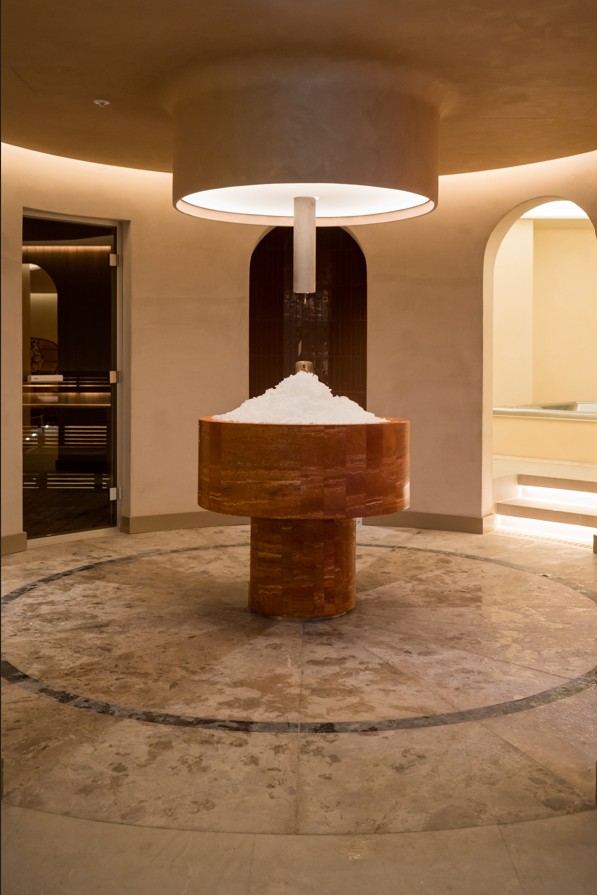
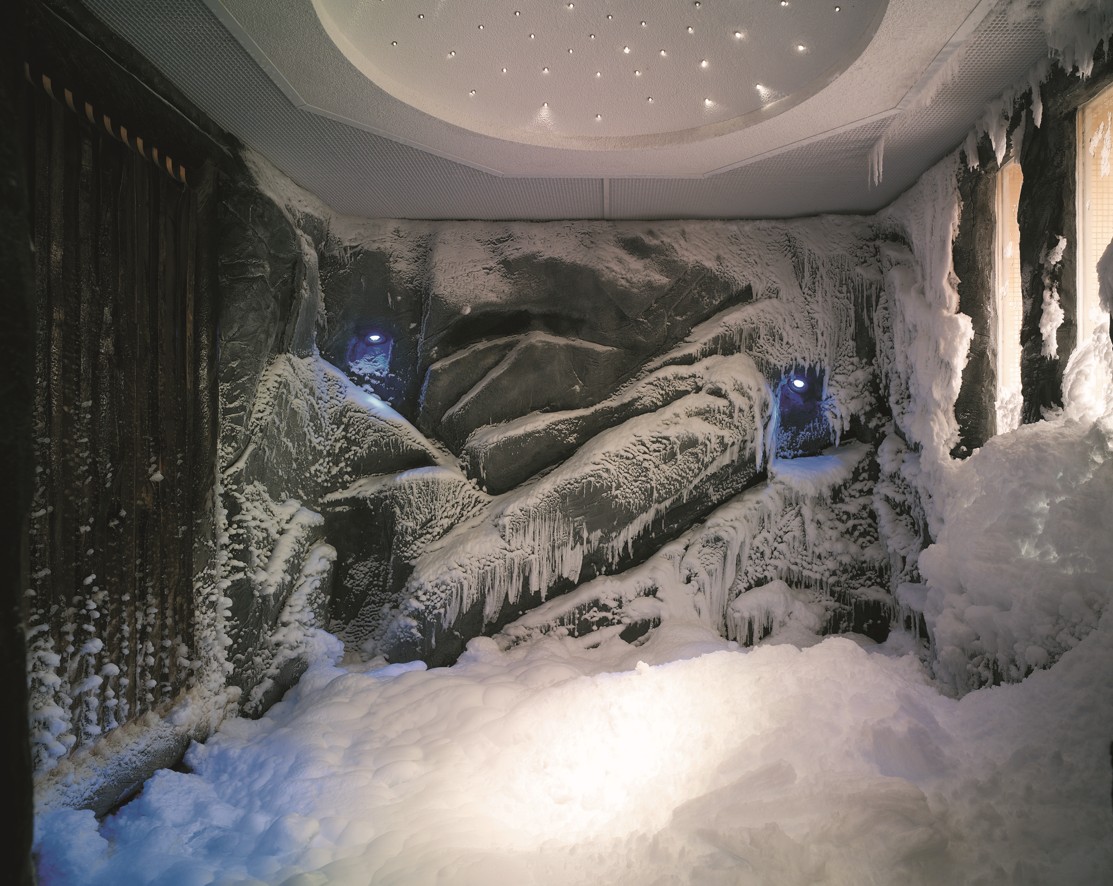
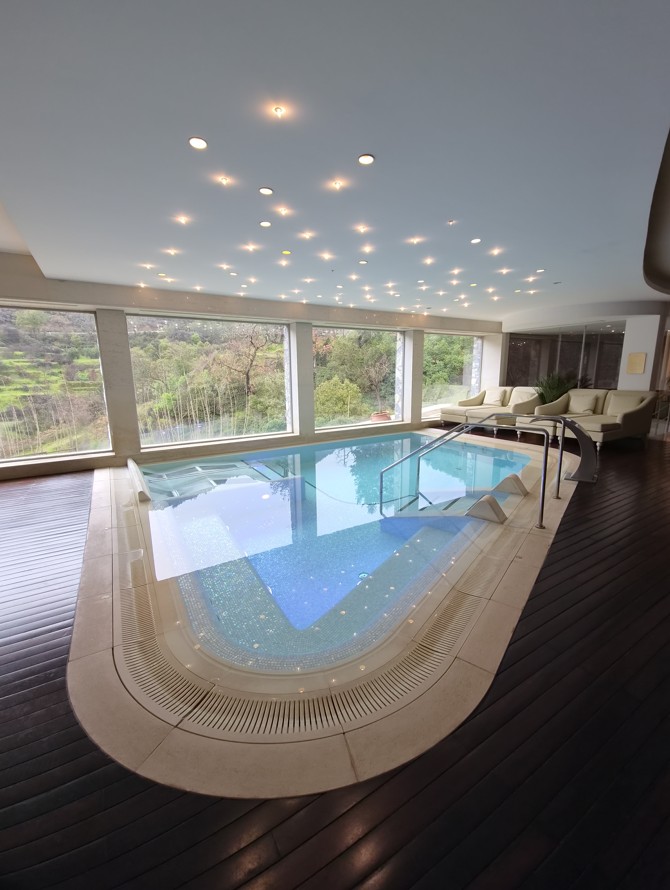
A well-designed hydrothermal area is far more than an attractive sequence of saunas, steam rooms, warm -air relaxation rooms, hammams, plunge pools, or experience showers. It is a technically complex environment where architecture, engineering, climate control, materials, drainage, ventilation, hygiene, safety, and user comfort must operate in complete coordination.
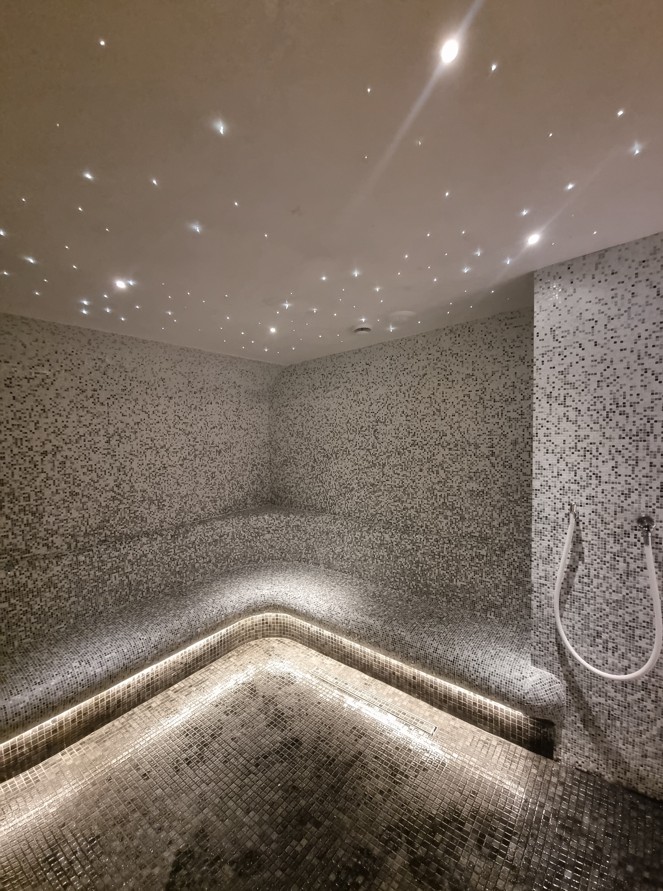
EN 18164:2026 reflects this complexity by addressing climated rooms such as sauna rooms, steam rooms, hamams and soft sauna rooms, while emphasizing key requirements related to surface finishes, ventilation rates, temperature and humidity control, drainage design, slip resistance, and user safety.
From a technical perspective, even fundamental parameters must be precisely controlled. For example, steam rooms require a minimum air exchange rate of approximately five air changes per hour to ensure adequate air quality, humidity control, and prevention of condensation-related issues. Similarly, steam distribution must be designed to achieve uniform diffusion within the cabin, while avoiding direct discharge beneath seating areas, which can create localized overheating and safety risks.
Performance and user benefits
When these environments are designed and executed correctly, the results are significant. Hydrothermal therapies support relaxation, stress reduction, circulation, muscle recovery, and respiratory comfort, while contributing to an overall sense of physical and mental well-being. At the same time, they enable operators to offer high-value, largely self-administered experiences, improving operational efficiency and enhancing commercial performance. This is further reflected in the rise of social wellness concepts, urban bathhouses, and next-generation spa destinations.
However, hydrothermal areas remain among the most technically demanding and frequently misinterpreted components of spa development. When specialist expertise is not applied, failures become evident quickly. Typical examples include condensation dripping from flat or poorly designed ceilings, incorrect material selection such as absorbent or non-closed-pore finishes, unsafe surface temperatures due to high thermal conductivity materials, and inadequate ventilation systems that result in stagnant air, excessive humidity, or unpleasant odours.
In many cases, incorrect detailing of vapour barriers leads to moisture migration into the building structure, causing long-term damage, mould formation, and deterioration of finishes. Poor drainage design can result in standing water, creating both hygiene risks and slip hazards. Incorrect positioning of steam outlets may lead to uneven heat distribution or direct exposure of users to high-temperature steam, increasing the risk of discomfort or burns.
Risks of poor design and execution
These are not minor defects. They are clear indicators of inadequate technical design and coordination. Such shortcomings compromise user safety, reduce equipment lifespan, increase maintenance costs, negatively impact brand perception, and ultimately reduce the return on investment of the facility.
The intent of EN 18164:2026 is precisely to prevent such outcomes by promoting climated rooms that are safe, durable, and fit for purpose.
For this reason, hydrothermal design must be approached as a specialist engineering discipline rather than a purely architectural or aesthetic exercise. Decisions made at early design stages have long-term consequences, including capital expenditure adjustments, operational inefficiencies, compliance risks, and reduced guest satisfaction.
In many projects, specialist input is introduced too late, when architectural and MEP constraints limit optimal solutions or make corrective measures unnecessarily complex and costly.
Engineering as a strategic requirement
At WetRox Spa, we believe that premium wellness environments are achieved through technical expertise, integrated design, and rigorous execution. We support developers, architects, hotel operators, and investors with specialist consultancy in the design and implementation of hydrothermal facilities that are not only visually compelling but also operationally robust, safe, compliant, and engineered for long-term performance.
In a market increasingly shaped by user expectations, regulatory frameworks, and standards such as EN 18164:2026, this level of expertise is no longer optional. It is essential.
From concept development and technical coordination to material selection, engineering integration, and delivery of fully functional spa environments, WetRox Spa provides the expertise required to transform design ambition into reliable wellness infrastructure.
Our objective is to ensure that every hydrothermal space performs exactly as intended: safely, efficiently, and in alignment with the highest standards of the modern wellness industry.
For clients seeking to create a spa that delivers measurable therapeutic value, operational resilience, and a premium guest experience, WetRox Spa combines vision with technical precision and execution certainty.
Costas Kouzis is the CEO and founder of WetRox Spa Design, a firm specializing in the technical design and consulting of spa wet areas for high-end residences and professional wellness centers.
He is a registered Engineer and a member of the Cyprus Scientific and Technical Chamber.
With over 15 years of experience in the wellness industry, he spent more than a decade at Siemens Building Technologies prior to founding WetRox, working as a specialist in Building Management Systems (BMS).
His expertise lies in integrating architectural design with complex engineering systems, ensuring that climate-controlled rooms are designed in full compliance with industry standards, with a strong emphasis on safety and operational efficiency.
DISCOVER ALSO