How the General Contractor model is evolving to meet new challenges in the hotel contract market.
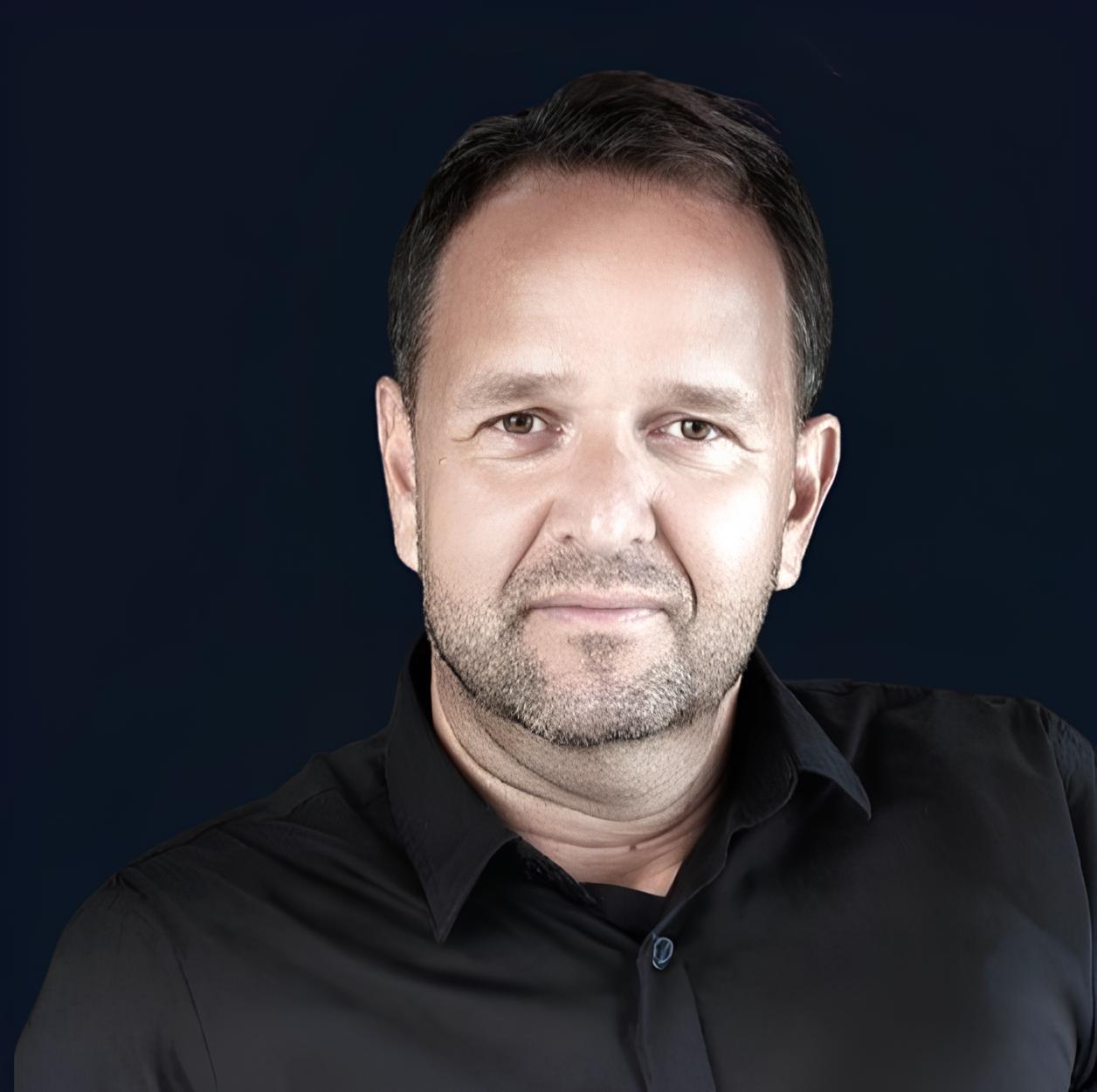
We are pleased to host Philipp Selva, a leading figure in luxury furnishings and the international contract market. Heir to a historic family tradition rooted in artisanal excellence, Philipp has evolved the Selva brand into a multidisciplinary and dynamic ecosystem. This vision finds its ultimate expression today in APPIA Contract.
Under his strategic leadership, the company has established itself as an elite general contractor for high-end hospitality, distinguished by its ability to manage extremely complex architectural and interior projects. His approach masterfully blends artisanal craftsmanship with sophisticated technical innovations, thanks in part to strategic partnerships like the one with Aquaform, guaranteeing "turnkey" solutions for prestigious hotels and resorts. From the concept phase to final realization, Philipp Selva embodies an entrepreneurial model capable of harmonizing signature furniture aesthetics with the engineering precision required by large-scale international volumes.
Philipp, you have steered a historic furniture company toward the complexity of high-level general contracting. What were the main challenges in transforming a furnishing product into a complete service for the hospitality industry?
The main challenge lies in the transition from selling a product to managing complexity: in the Contract sector, you don't just provide furniture, but a system of integrated solutions. We have transformed our artisanal knowledge into a "custom" and tailored design approach, where every element is designed to meet the specific needs of the guest.
Today we aim to generate experiences and emotions, as the final goal is not just the outfitting of a space, but fostering loyalty through an unforgettable stay. Our thirty years of experience in hospitality allow us to guarantee this balance between aesthetic excellence and operational functionality, transforming every project into a valuable asset for the client.
The contract world is unforgiving: rigid timelines and the coordination of dozens of different trades. Based on your experience, what is the most critical "bottleneck" for a luxury General Contractor today?
The real 'bottleneck' lies in managing extremely compressed schedules, where the opening date of the facility leaves no room for error. Added to this temporal rigidity is the current criticality of the supply chain: market instability makes it difficult to guarantee the punctuality of raw materials, creating a domino effect across the entire construction site.
Another crucial challenge is the technical coordination between different trades. We often find ourselves having to integrate high-precision furnishings in contexts where civil works or systems deviate from the original plans. Managing these inconsistencies in real-time, without delaying final delivery, represents the most complex test today.
What are the elements today that make the quality of a hospitality structure immediately perceptible?
Perceived quality today depends on a delicate balance between "hardware" and "software" components. The first is the material impact: it’s not just about the aesthetics of the furniture or the prestige of finishes in common areas, but ergonomics, acoustic comfort, and the fluidity of spaces. A bathroom designed with SPA criteria or correct lighting immediately communicates superior value.
However, this physical excellence must be supported by the "software" component—the human element. Quality becomes real when the service and empathy of the staff transform the environment into a lived experience.
In a hospitality project, where does the designer's vision end and the General Contractor's pragmatism begin? How do you mediate these two forces?
The designer's vision and the General Contractor's pragmatism are not parallel lines, but complementary forces that must converge in the "project value". Our role begins in the concept engineering phase: we take the mood and inspiration of the architectural firm and translate them into real construction solutions, ensuring that aesthetics do not compromise technical functionality.
Mediation occurs through constant technical dialogue: our task is to make the creative idea feasible while respecting the essential constraints of budget and durability, which are fundamental in the hospitality sector. Total transparency between the designer, the client, and ourselves is the tool that allows us to resolve inevitable construction site challenges
In your opinion, is there a typically Italian style of site management that distinguishes us from major Northern European competitors?
Rather than a management style, there is an Italian "attitude" that sets us apart: the ability to combine contractual rigor with superior operational flexibility. While Northern European competitors excel in often very rigid planning, the Italian model shines in managing the unexpected and in on-the-go customization.
Reliability in respecting commitments is the essential foundation, but it is the openness to dialogue that makes the difference. In a complex site, especially in the luxury sector, knowing how to adapt to project evolutions without losing sight of the final goal is an immense added value.
In a hotel project, where is the most money wasted and where is it worth investing more?
In a hotel project, the greatest waste often occurs in two areas: in inaccurate preliminary design, which generates costly variations during construction, and in excessive customization of structural elements that add no real value to the guest experience. Continuously moving system points or choosing excessively fragile finishes for high-traffic areas means burning resources on future maintenance.
Conversely, it is worth investing more in comfort engineering and in areas with the highest emotional impact. The "heart" of the investment should be the room: excellent acoustic insulation and an intuitive, scenic lighting system are worth much more than expensive marble in the lobby. Strictly respecting the established budget does not mean cutting costs, but optimizing them: giving the investor security today means delivering a structure that is not only beautiful at the inauguration but efficient and durable over time, minimizing long-term operating costs
How do you manage to maintain a "tailor-made" approach, typical of the Selva tradition, when furnishing numerous rooms simultaneously in a large hotel complex?
Maintaining a bespoke profile in large-scale hotel complexes is a challenge solved through the engineering of production processes. The secret lies in the ability to "industrialize the custom-made": every detail is initially resolved at an artisanal level and validated through the creation of a Mock-up Room. Once the prototype is perfected and technical performance (resistance, acoustics, certifications) is verified, the process is scaled to high numbers while maintaining constant quality.
In this way, the repeatability necessary for large complexes does not sacrifice the exclusivity of the original design, allowing the delivery of hundreds of environments that retain the precision and character of a unique piece.
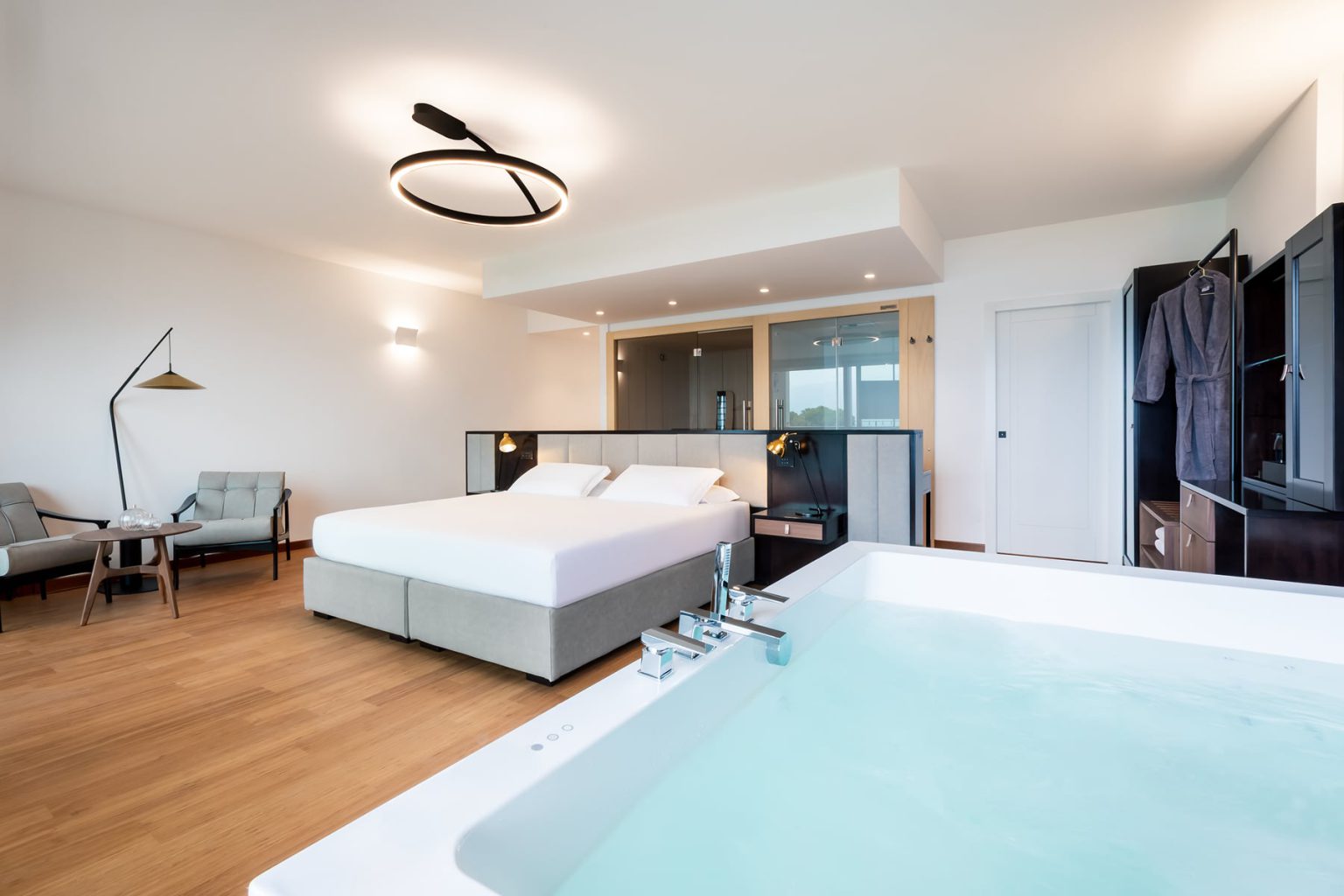
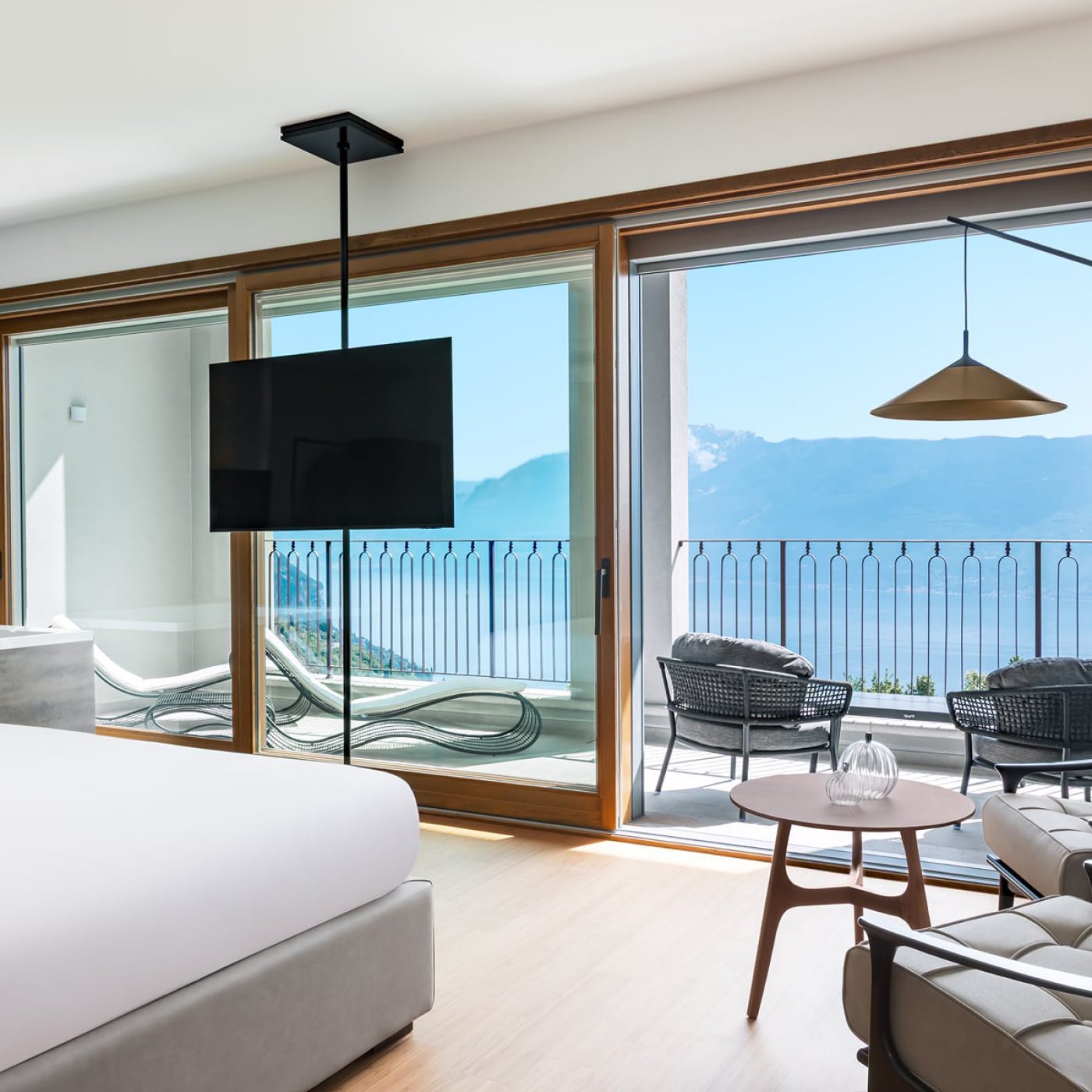
Projects like Villa Sostaga demonstrate a new way of understanding hospitality in the region. How is the integration of private spa areas redefining the benchmark for wellbeing in these areas of excellence?
The integration of wellness areas within rooms and suites responds to a specific evolution of demand in the luxury segment, driven particularly by the needs of Middle Eastern and Asian guests, for whom privacy is not an option but an essential cultural and functional requirement.
Designing an effective Private Spa requires rigorous volume management: generous square footage is necessary to ensure ergonomic flow and proper separation between the wet zone and the rest area.
From an investment perspective, the market today shows full maturity and a clear willingness to support the up-selling derived from these exclusive services, provided that the technical and material execution is impeccable.
What prompted Selva Holding to identify Aquaform as the ideal partner to manage the technological component of water and wellness in your projects?
Identifying a partner like Aquaform stems from the need to combine high-end furnishings with the most advanced technologies for water management. In contexts of elite hospitality, wellbeing is not just an aesthetic matter ; it must guarantee a complete sensory experience in which design and technical precision coexist harmoniously.
This collaboration allows us to perfectly integrate technological systems within the furnishing project, guaranteeing solutions that are elegant, reliable, and built to last.
Selva Holding is a protagonist in major developments on Lake Garda, a tourist territory in great ferment. How do you see the evolution of this destination in the coming years? Do you fear market saturation or do you believe there is still room for new hospitality concepts?
Lake Garda has confirmed its role as a primary destination for decades, a trend destined to consolidate further. Future evolution will not necessarily involve a volumetric increase, but rather a qualitative raising of structures and services offered. In this scenario, attention must urgently turn to flow management: the phenomenon of overtourism imposes a transition to a more sustainable and conscious tourism model.
I do not believe there is a risk of saturation if the offer continues to evolve toward new hospitality concepts capable of enhancing the territory's specificities in a less seasonal way. The strategic objective for major structures on the Benaco [Lake Garda] will be guest loyalty, creating a deep bond with the landscape and local culture. Only through this attention to detail and hospitality can harmonious and lasting development be guaranteed for the entire destination.
Our thanks to Philipp Selva for sharing his field experience. Constant dialogue between those who design furniture and those who care for its technological soul is what allows us to overcome the complexity of major construction sites. Together, we continue to work to offer integrated solutions that put the guest's wellbeing at the center of every prestigious structure.
Team Aquaform
DISCOVER ALSO