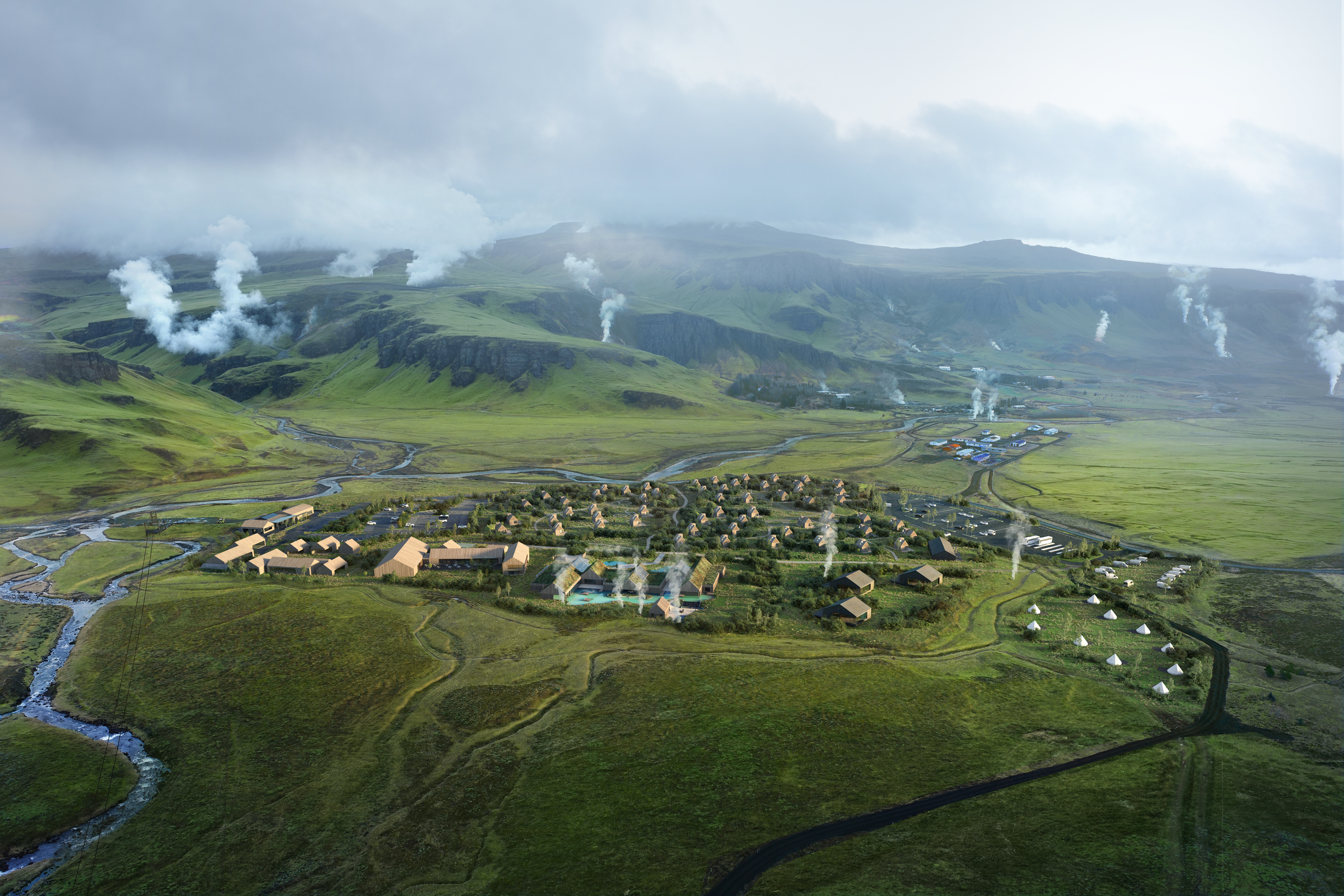
In the raw landscape of Iceland, where geothermal energy rises directly from the earth and glacial air defines its contours, wellness is a physical and emotional response to the elements.
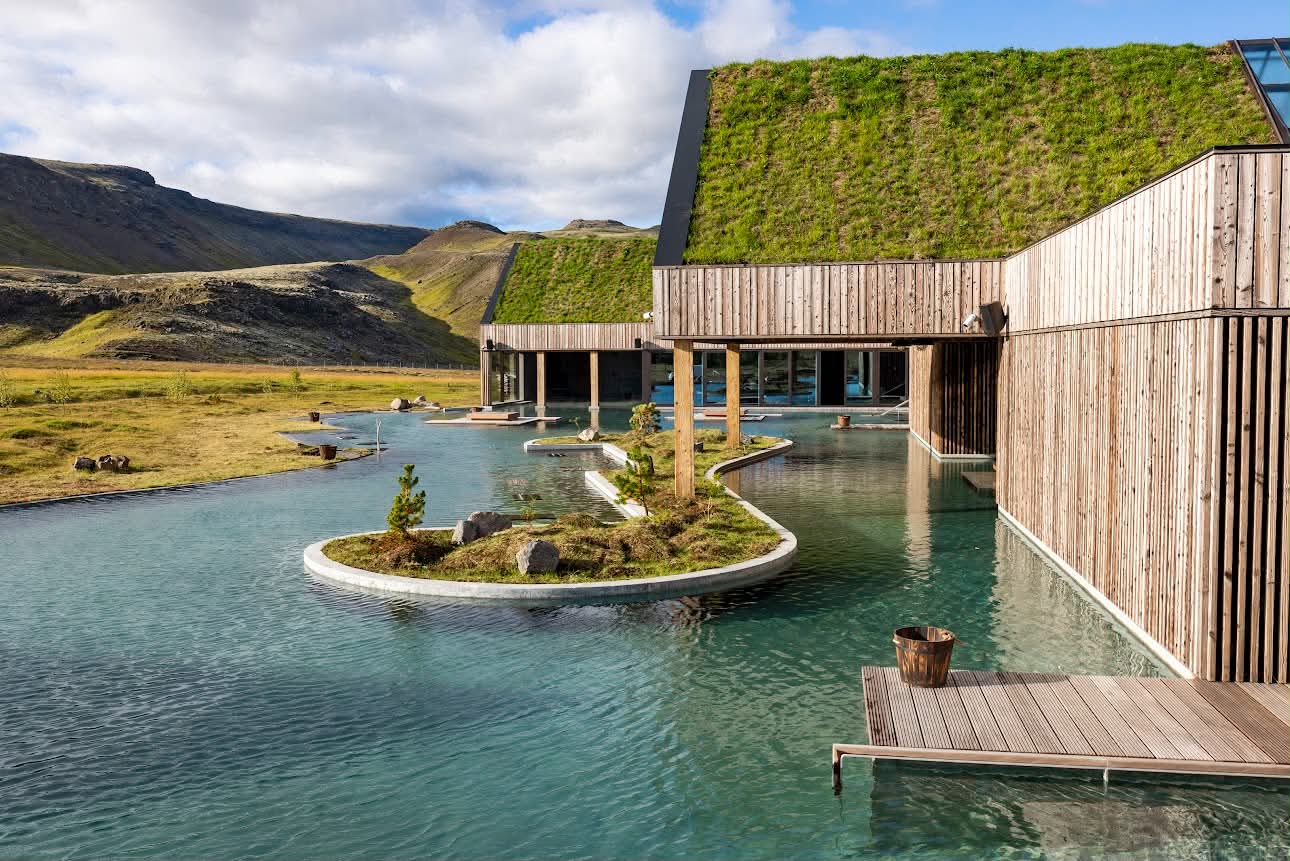
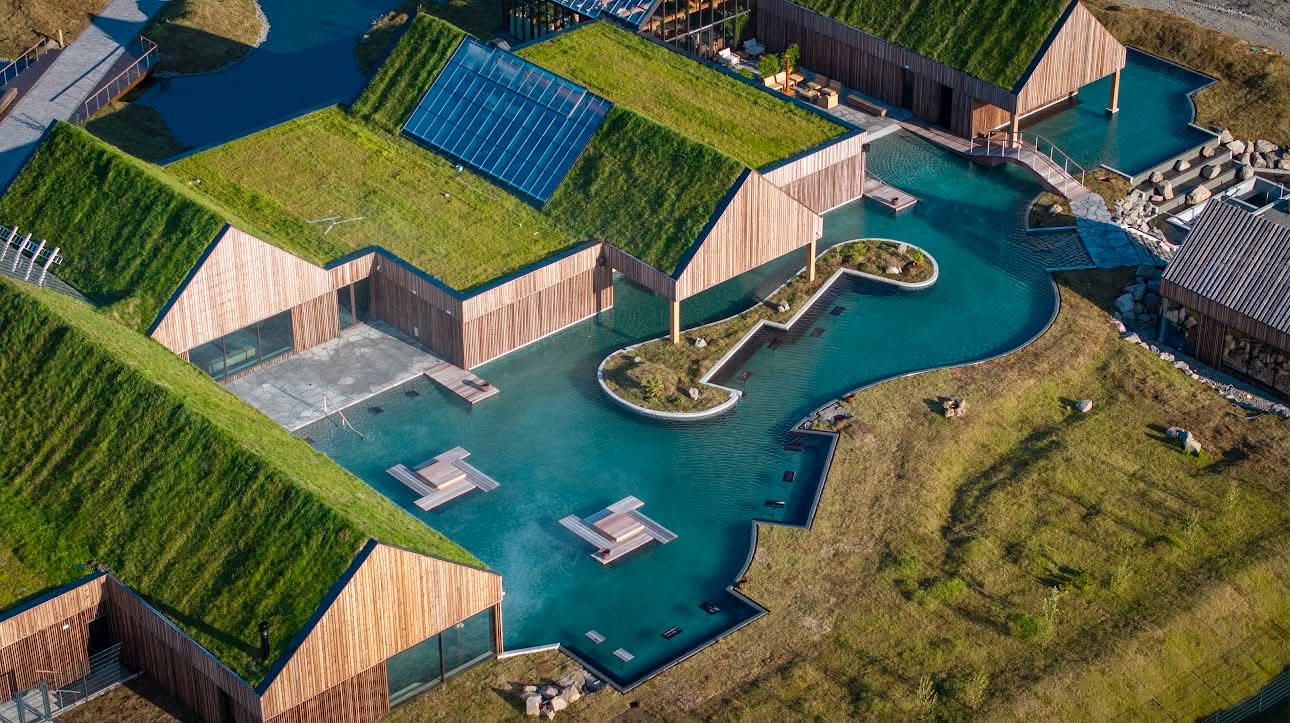
Reykjaböð Hot Springs was born within this unique setting: a thermal destination conceived not as a simple sequence of pools, but as a deep narrative journey merging architecture, landscape, and bathing culture.
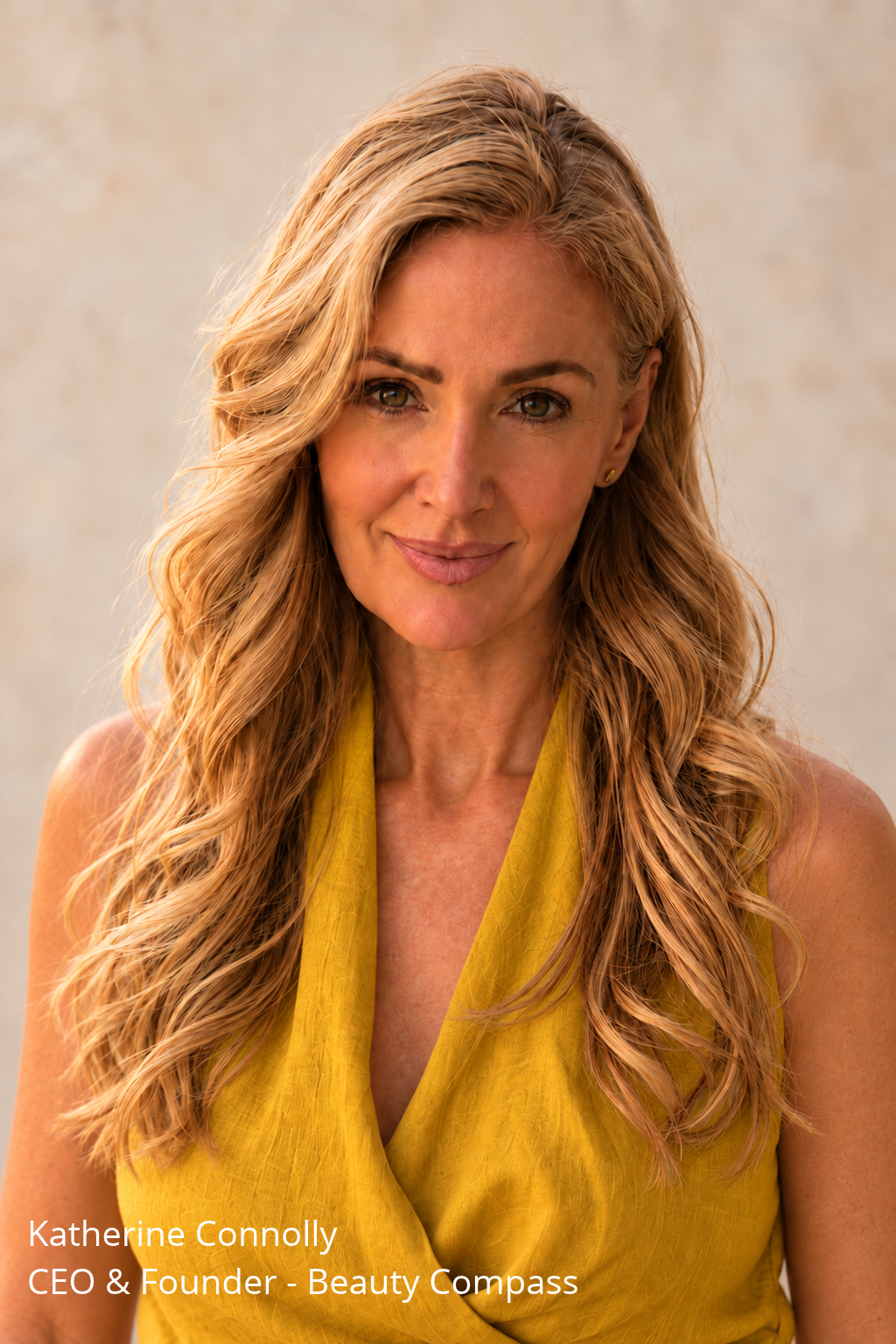
Guiding the conceptual and hydrotherapeutic development was Katherine Connolly, an international consultant with over 30 years of experience shaping luxury spa destinations worldwide. Her vision for Reykjaböð centers on "intelligent contrast", a journey where transitions between heat, steam, and cooling stations unfold as a smooth, personalized rhythm rather than a harsh shock to the body.
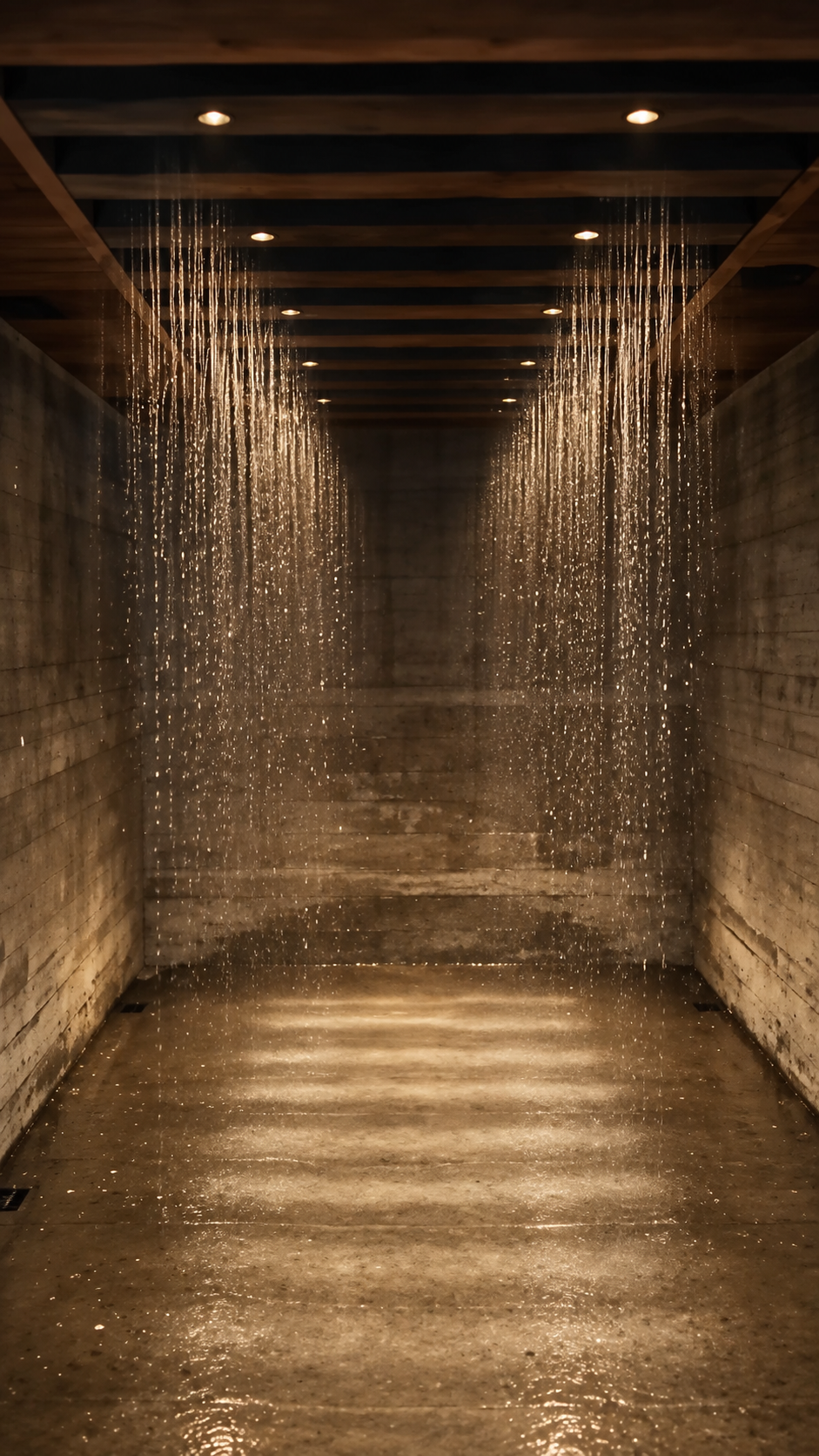
Water acts as the primary sensory conductor throughout this architectural space. To enhance these thermal transitions and enrich the water journey, Aquaform systems were integrated directly into the bathhouse experience. The cold and cooling transitions acquire a nuanced character, accompanying the body through a gradual and enveloping thermal cycle.
Through this carefully orchestrated balance, Reykjaböð stands as a sophisticated model of modern wellness: a destination where the drama of the outdoor landscape is framed by a finely tuned indoor narrative of water and temperature shifts.
We had the pleasure of catching up with Katherine Connolly to discuss the vision behind the project, the role of water transitions, and the future of thermal bathing culture.
Katherine, In a project so deeply rooted in Icelandic geothermal culture like Reykjaböð, what was the main challenge in translating the raw power of nature into a smooth, welcoming indoor hydrotherapy journey?
The biggest challenge was not to over-design it.
Iceland was always the brief, not simply the location. The landscape already has such force, the geothermal heat, the cold air, the steam, the rock, the weather. Our role was to respect that power, then translate it into something guests could move through comfortably and instinctively.
The bathhouse needed to feel elemental, but never harsh. It had to carry the drama of Iceland, while still feeling warm, calm and beautifully guided. So the work became about the feeling: moving people from heat to cooling, from openness to shelter, from stimulation to stillness.
That balance is where the real design sits, keeping the experience raw enough to feel Icelandic, but refined enough to feel deeply welcoming.
A bathhouse is much more than a collection of saunas and pools. How do you sequence different water experiences to create a natural rhythm throughout the guest journey?
A bathhouse should feel like a journey, not a checklist.
Every element has to earn its place. Heat opens the body. Steam softens the breath. Water clears and resets. Cold brings you sharply into the present. Then rest allows the body to absorb it all.
At Reykjaböð, the sequence came back again and again to Iceland itself, fire and ice, exposure and shelter, rawness and calm. The guest should never feel pushed from one space to another. They should feel naturally drawn through the experience, as if the journey makes sense without needing too much explanation.
That is when bathhouse design works best: when the intelligence is there, but the guest only feels the ease of it.
To enrich the water dimension of the project, you integrated solutions by Aquaform. Which specific Aquaform products did you select for Reykjaböð, and how do they fit into the sensory narrative of the bathhouse?
We worked with Aquaform on a bespoke shower system, which became an important part of the thermal journey.
In a bathhouse like Reykjaböð, a shower is not just a functional rinse. It is a transition. The system was designed to take the guest from warm to cool and then gently back to warm again, so gradually that the body is not shocked, but the effect is still deeply felt.
That was very important to the experience. Cold and contrast do not always need to be extreme to be powerful. Sometimes the most sophisticated thermal moments are the ones that guide the body carefully, allowing guests to feel refreshed, awakened and reset without feeling overwhelmed.
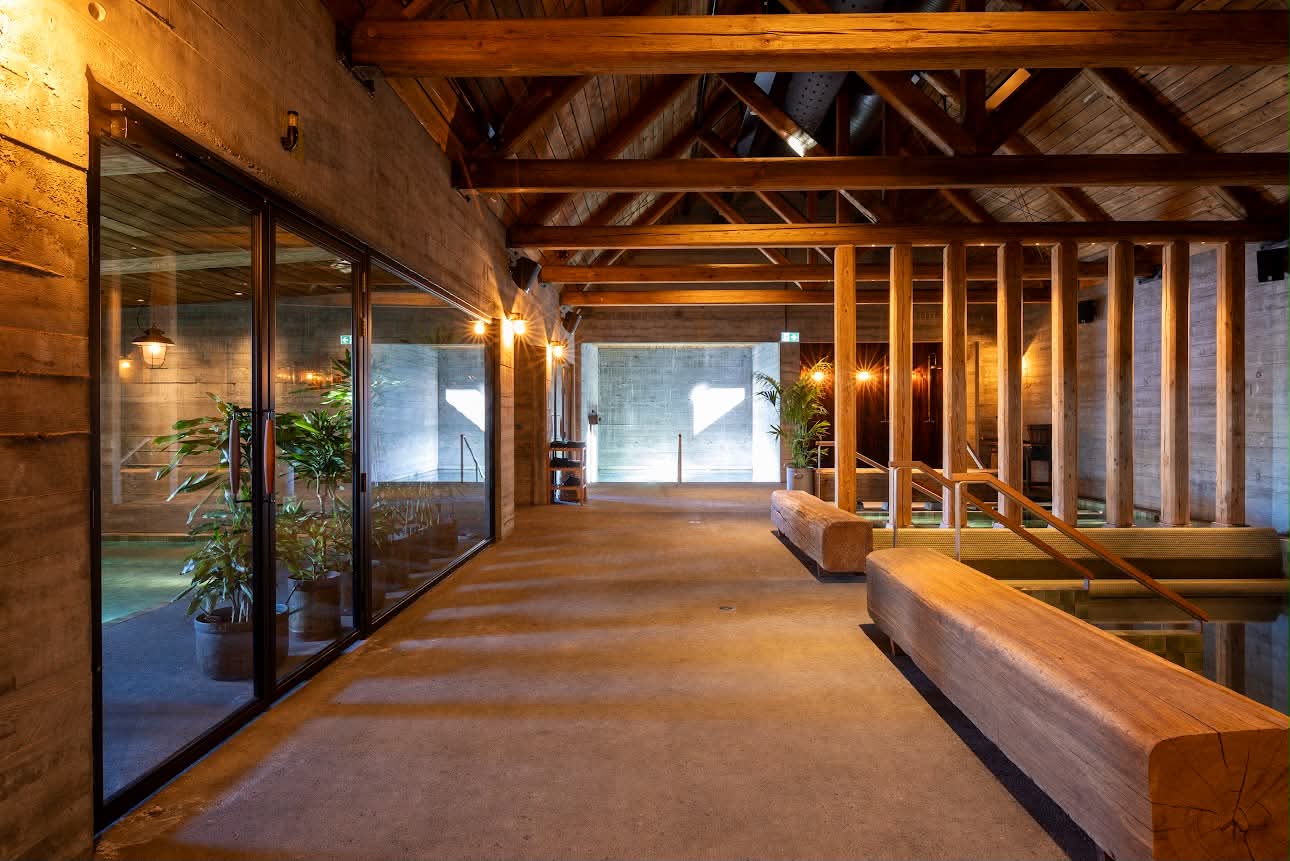
The Aquaform team brought real expertise to that process. They understood that the system had to work technically, but also sit quietly within the wider design language. We were working with a raw aesthetic, cement, wood and natural textures so the shower experience had to feel integrated, not added on.
For me, it fits beautifully into the story of Reykjaböð. It is practical, sensory and carefully considered, but it still feels completely aligned with the Icelandic brief: elemental, honest and deeply connected to how the body responds to water, warmth and cold.
As wellness hospitality evolves from pure aesthetics toward sensory quality and recovery, what key elements do you believe are essential for a modern bathhouse to remain meaningful and relevant over time?
I think the bathhouses that will remain relevant are the ones with a real point of view.
Beautiful design is important, of course, but it is no longer enough on its own. Guests are far more sophisticated now. They can feel when a space has simply been designed to look good, and when it has been designed to actually change how they feel.
For a modern bathhouse to have longevity, it needs several things. It needs a genuine connection to a place. It needs a clear thermal journey. It needs contrast, but not for the sake of extremes. It needs rest, recovery and moments of quiet. It needs sensory detail, water, scent, sound, temperature, texture, light, all working together rather than competing with each other.
It also needs to be generous. Not every guest wants the same level of heat or cold. Not everyone comes for the same reason. Some people want recovery. Some want calm. Some want connection. Some want to feel alive again. A good bathhouse allows for all of that without losing its identity.
That is why Reykjaböð feels so special to me. It has beauty, but it is not only about beauty. It has innovation, but it does not feel like innovation for show. It is rooted in Iceland, and that gives it depth. The landscape is not decorative; it is the starting point, the reference point and the soul of the experience.
For me, that is the future of wellness hospitality: places that feel emotionally intelligent, physically beneficial and completely true to where they are.
DISCOVER ALSO