Across hospitality and wellness development today thermal experiences are gaining remarkable momentum. From Nordic bathing traditions to hydrotherapy pools and immersive water journeys, thermal wellness has become one of the most sought-after elements in contemporary hospitality. Yet an important question is often overlooked at the beginning of many projects: What kind of thermal experience truly belongs here?
Too often thermal features are introduced because they are trending rather than because they are aligned with the character of a place, the expectations of guests, and the long-term vision of the property. The most successful thermal environments rarely begin with equipment selection or architectural drawings. They begin with careful advisory work that explores how water, ritual, landscape, and business strategy can come together to create a meaningful and resilient experience.
Before design, before engineering, and before construction, developers benefit from stepping back and asking deeper questions:
Place First
Every destination carries its own rhythm. Climate, landscape, culture, and community all shape the type of thermal environment that will feel authentic and successful.
In urban environments thermal wellness often becomes a refuge within the pace of the city. Guests arrive for shorter visits seeking restoration between work and daily life. Circuits in these settings are typically compact and efficient, supporting repeat use through memberships and social bathing environments that integrate wellness into everyday living.
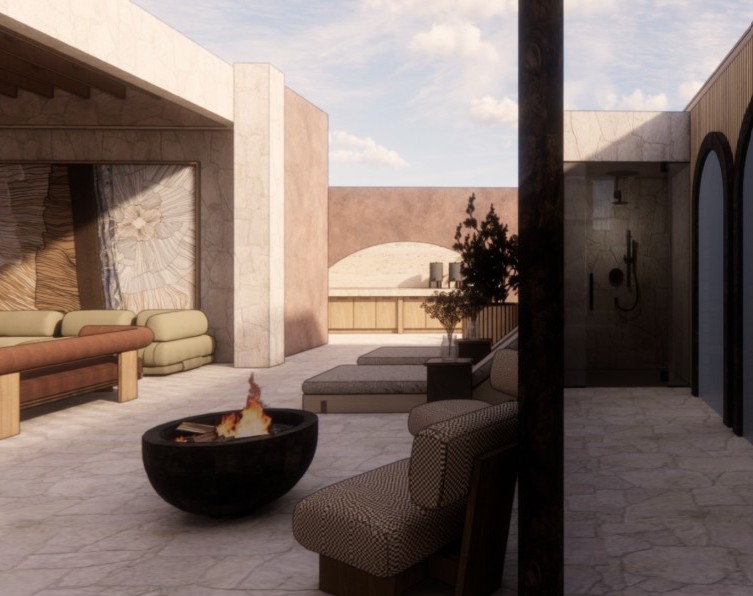
Land based destinations offer a different opportunity. When thermal environments are integrated into forests, coastlines, mountains, or open countryside, the surrounding landscape becomes part of the ritual itself. Guests move more slowly through warmth, water, and rest while the environment shapes the emotional tone of the experience. Understanding the character of place is the first step in determining what type of thermal environment should be created.
Designing the Guest Journey
Thermal wellness is often misunderstood as a collection of individual features such as a sauna or cold plunge. The most compelling environments are defined not by the elements themselves but by the journey they create.
A thoughtfully designed thermal environment guides guests through a sequence of sensations where heat, cooling, immersion, breath, and stillness unfold gradually. Strategic pathways allow the body to recalibrate naturally while encouraging guests to move intuitively through the experience.
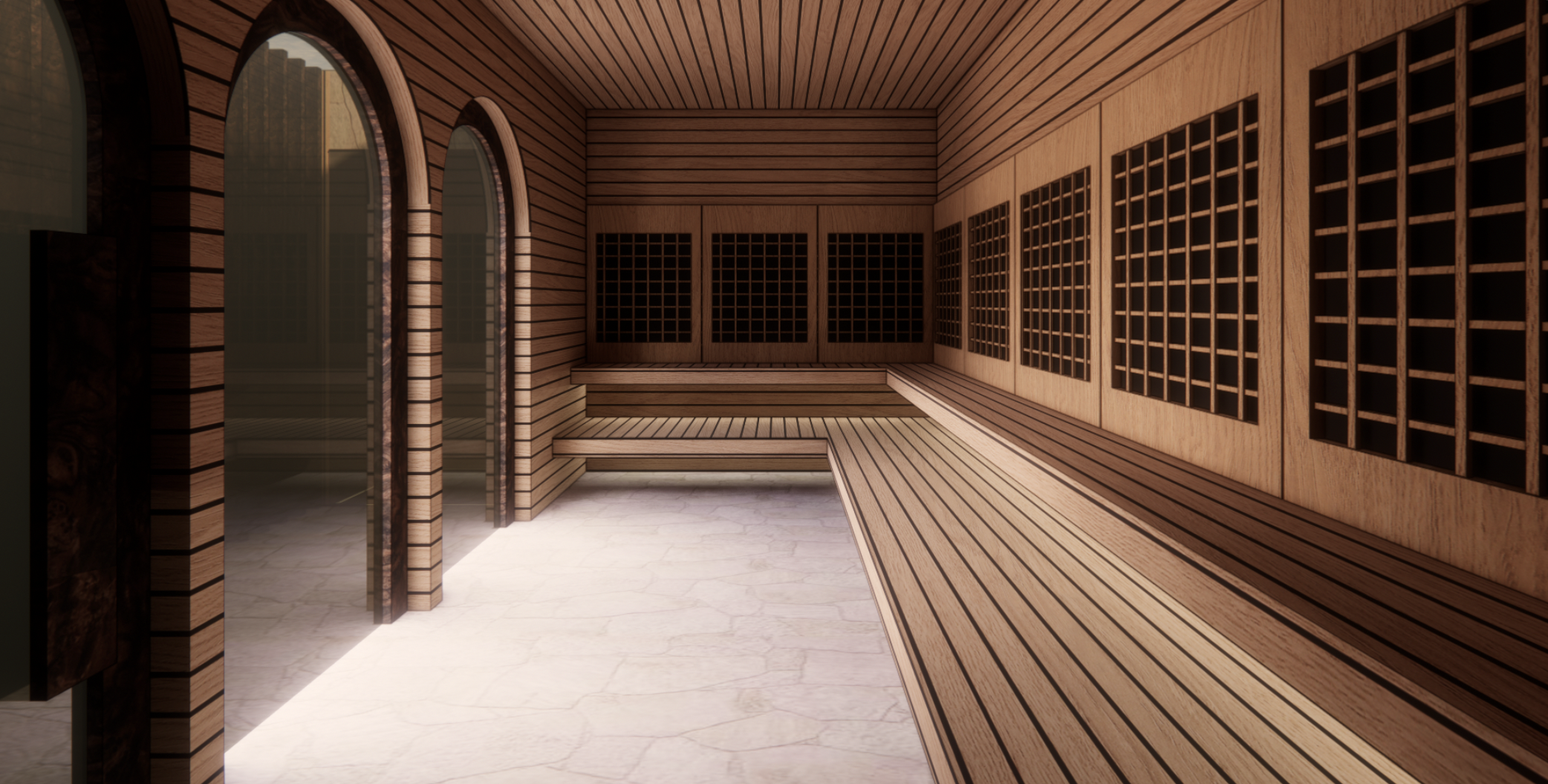
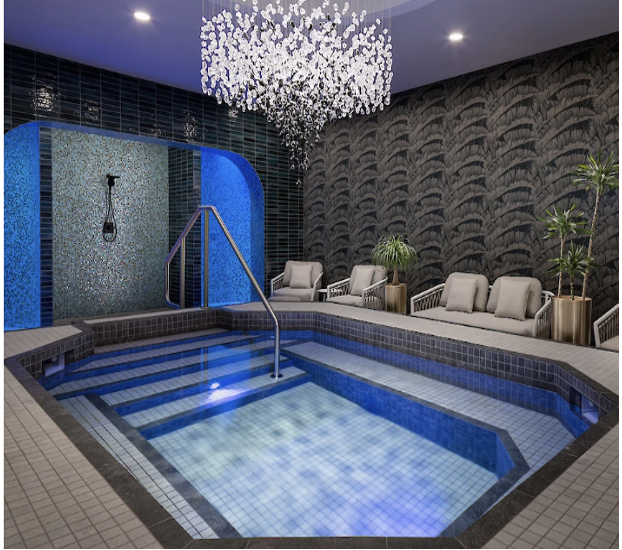
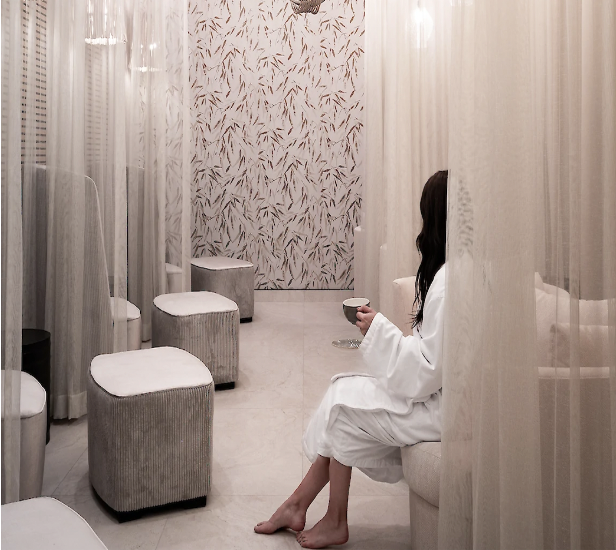
A journey may begin in warmth with a sauna or steam hammam where circulation opens and tension begins to release. Experiential showers, misting transitions, or rainfall experiences soften the movement between spaces. Cold immersion awakens the senses and stimulates the nervous system. Quiet lounges invite the body to settle again.
Beyond traditional thermal elements many environments now incorporate recovery focused spaces that reflect modern wellness lifestyles.
Breathwork rooms, salt inhalation environment, guided stretching areas, infrared lounges, and restorative relaxation spaces extend the benefits of the thermal ritual. When orchestrated carefully these elements create a rhythm that guests instinctively follow. The thermal circuit becomes a narrative expressed through water, temperature, light, and atmosphere.
Programmed Environments and Regenerative Thinking
Thermal wellness is increasingly being integrated into broader programmed environments that extend beyond the spa itself. Gardens, landscapes, and farm to table food programs are becoming meaningful components of wellness destinations.
Guests may move from thermal bathing into outdoor gardens where herbs and vegetables are grown for the kitchen. They may participate in seasonal food rituals or quiet walks through landscapes designed for reflection. In regenerative development models thermal environments can serve as anchors within larger ecosystems of wellbeing. Landscapes support biodiversity and local agriculture. Kitchens connect guests to seasonal nourishment. Water based rituals provide physical restoration and emotional grounding.
Together these elements create places where wellness is experienced as a lifestyle rather than a service.
The Investment Perspective
Thermal wellness environments also play a meaningful role in the financial performance of hospitality developments.
Recent industry analysis highlights the growing economic value of integrated wellness within hospitality.
According to the 2025 Wellness Real Estate Report by RLA Global and HotStats, hotels with significant wellness offerings are outperforming traditional properties across key performance metrics. These properties have demonstrated up to 108% higher total revenue per available room (TRevPAR), along with approximately 22% higher RevPAR and 18% higher average daily rate (ADR). This performance reflects a broader shift in how revenue is generated, with wellness, programming, and food and beverage contributing a larger share of overall income. As guest expectations continue to evolve toward more holistic and experience-led stays, wellness is increasingly proving to be both a market differentiator and a meaningful driver of financial performance. Thermal environments respond directly to this demand while offering developers a distinctive experiential anchor within a property.
Thermal environments respond directly to this demand while offering developers a distinctive experiential anchor within a property.
From an operational perspective hydrothermal circuits also provide advantages. Unlike treatment-based spa services that rely heavily on therapists and one to one service models, thermal environments allow many guests to experience wellness simultaneously. This allows properties to deliver powerful wellness experiences with lower staffing requirements while maintaining a sense of spaciousness and ritual.
For investors and operators, the question is no longer simply whether to include wellness, but how to design it in a way that strengthens the overall value of the property.
Engineering the Experience
Thermal environments also require specialized engineering expertise that is often underestimated. Hydrothermal circuits involve precise water temperatures, humidity control, ventilation, energy management, and safety considerations that differ significantly from traditional pools. Mechanical systems must support the rhythm of the guest journey while maintaining efficiency and operational reliability.
Collaboration with experienced thermal engineers and hydrothermal specialists is essential. Their expertise ensures that saunas, hammams, hydrotherapy pools, experiential showers, and recovery environments function seamlessly together.
When experiential planning, engineering expertise, and thoughtful design are aligned from the beginning, the result is a thermal environment that feels effortless to the guest while remaining technically robust for the operator.
A Thoughtful Beginning
The future of thermal wellness will not be defined by equipment alone. It will be shaped by thoughtful integration where water, landscape, guest experience, engineering expertise, and investment strategy are considered together from the very beginning.
When developers, advisors, designers, and thermal specialists begin with this deeper understanding thermal environments become far more than amenities. They become living spaces of ritual, restoration, and connection where the rhythm of water invites guests to return again and again. In these environments wellness is not simply offered. It is quietly woven into the experience of place.
Valerie C. Thomas - Consultant & Strategic Advisor in Wellness, SPA and Hospitality Development
Valerie Thomas is a wellness development advisor and brand strategist specializing in thermal wellness environments and integrated hospitality concepts.
Through her consultancy, Valerie Thomas Consulting, she works with developers, hospitality groups, and destination projects to define the strategic foundations of wellness experiences before design and construction begin.
Her work focuses on aligning place, guest experience, and investment performance to create meaningful and commercially resilient wellness destinations.
DISCOVER ALSO