

With this third chapter of our guide, we continue to explore the main functional areas of a SPA. Having examined the role of heat, we now turn to its essential counterpart, the cold zone, a fundamental component in completing the thermal cycle.
Beyond Thermal Shock: The Physiological Role of Cold
In traditional SPA design, the cold zone has long been considered a secondary or transitional space, often reduced to a simple shower at the end of a sauna session. In the contemporary SPA, however, cold exposure deserves recognition as a fully fledged functional area, essential for triggering the guest’s vascular response and ensuring the effectiveness of the wellness journey.
When cold counterbalances heat, the vasodilation induced by saunas or hammams is followed by immediate vasoconstriction. This vascular exercise, known as contrast therapy, stimulates blood circulation, supports lymphatic drainage, helps reduce inflammation and reactivates metabolic processes.
From an experiential perspective, cold should not feel like a source of discomfort, but rather a refreshing, invigorating immersion that is both guided and enjoyable.
1. Cold Response Technologies: From Experience Showers to Snow Rooms
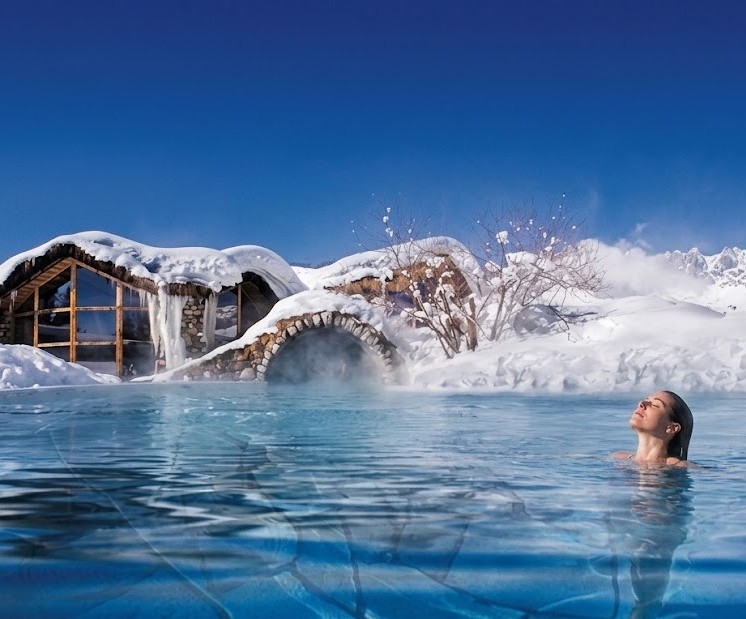
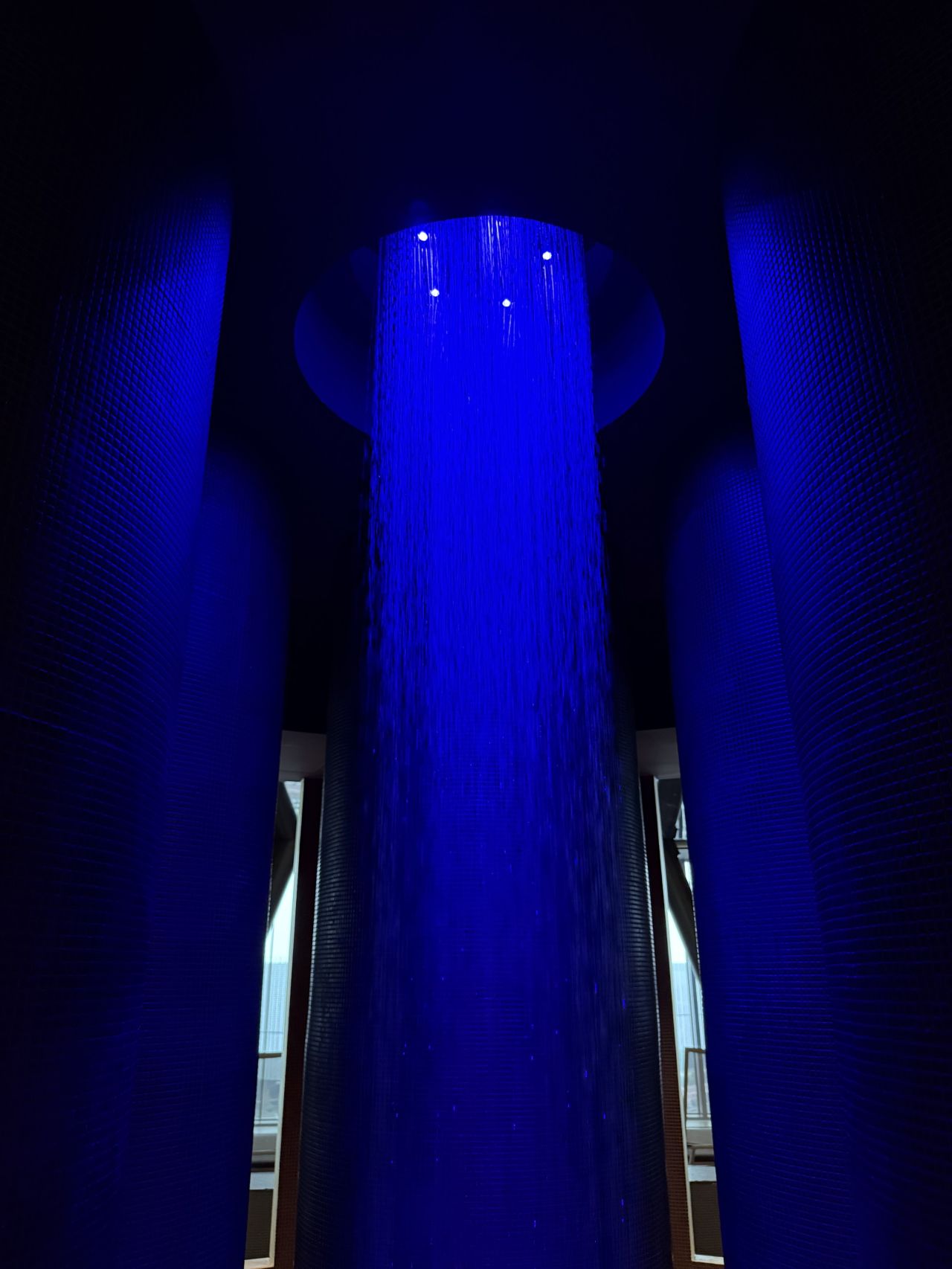
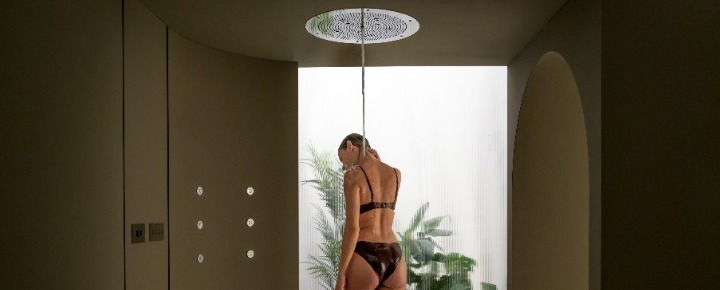
To accommodate different guest profiles and varying levels of desired response, the cold zone offers a range of architectural and technological solutions:
2. Designing Contrast: Obstacle-Free Recovery Paths
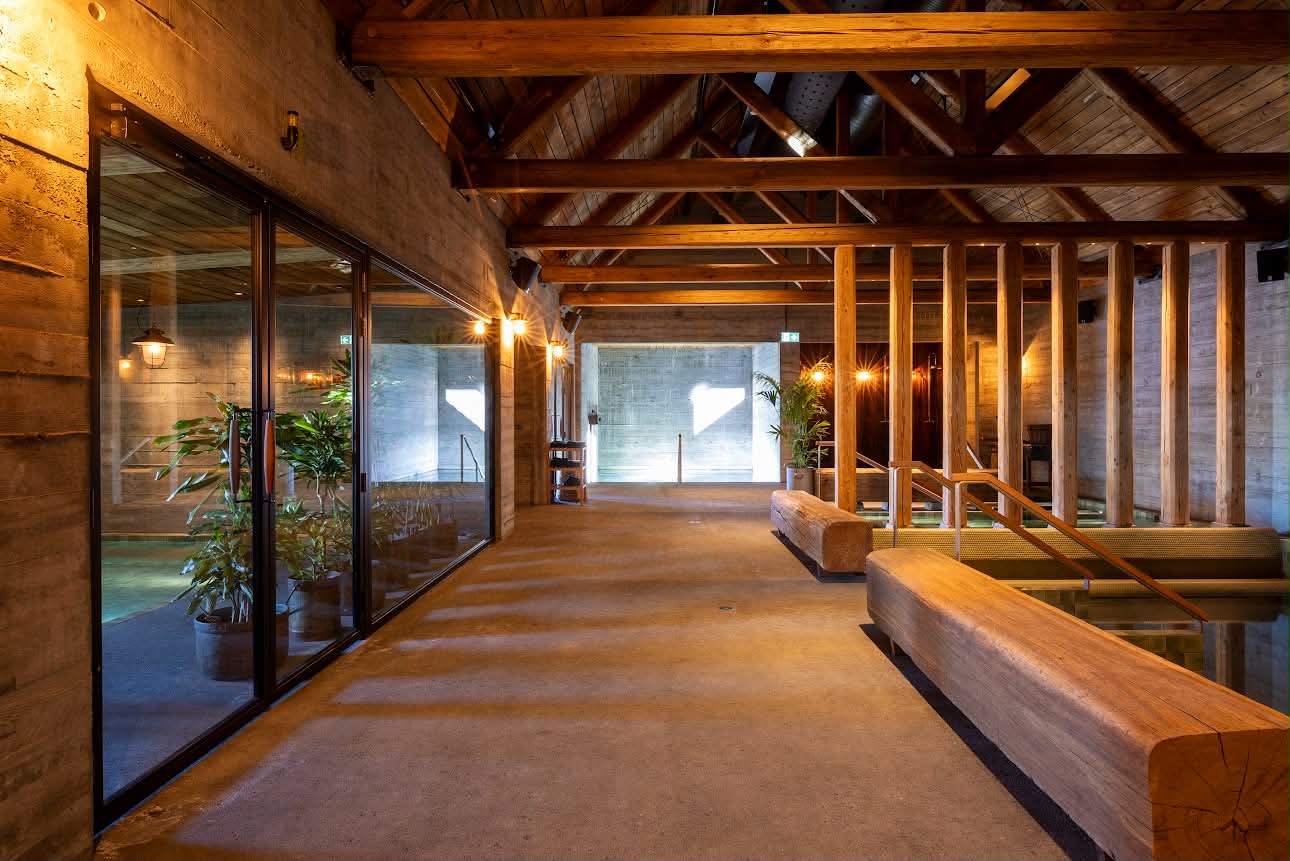
The success of contrast therapy depends heavily on the spatial layout. During the design phase, it is essential to avoid bottlenecks and ensure a smooth transition from the warm zone to the cold zone:
3. Longevity and Biohacking: The Value of Gradual Cooling
Today, the theme of cold exposure is strongly linked to the concepts of longevity, recovery, and biohacking. Practices such as ice baths and extreme temperature immersion have become exceptionally popular for athletic recovery and boosting the immune system.
However, in the design of a SPA destination or hotel facility, this trend must be approached with balance and scientific rigor. A new sensitivity is increasingly emerging that moves beyond the concept of "ice shock" in favor of gradual cold management, demonstrating how cooling is primarily a sensory and modular perception rather than a mere number on a thermometer:
Upcoming Chapters of the Manual
In the next installments of the guide, we will continue analyzing the functional areas and the SPA experience:
DISCOVER ALSO

-11f8e7.jpg)