

With this first article, we are launching an essential guide to contemporary SPA design, a series of in depth articles for designers, developers and industry professionals who want to enter this sector or develop a more structured approach to wellness. The aim is to provide a methodological foundation for exploring every aspect of creating a successful wellness facility, from the architectural organization of spaces to the principles behind managing the guest experience.
Designing a SPA means creating a sequence of experiences, not simply bringing together saunas, hammams, showers and treatment rooms within the same space.
A contemporary SPA is not, and should never be, a collection of independent environments. Sauna, steam room, experience showers, treatments and relaxation areas only reach their full potential when they are conceived as complementary components of a single experiential flow.
In our vision, the starting point of the design process is not a list of equipment to be included, but the emotional and physiological journey that the guest is meant to experience: deep relaxation, post performance muscle recovery, an energy boost, mental decompression or the sharing of a ritual. Different needs require different journeys.
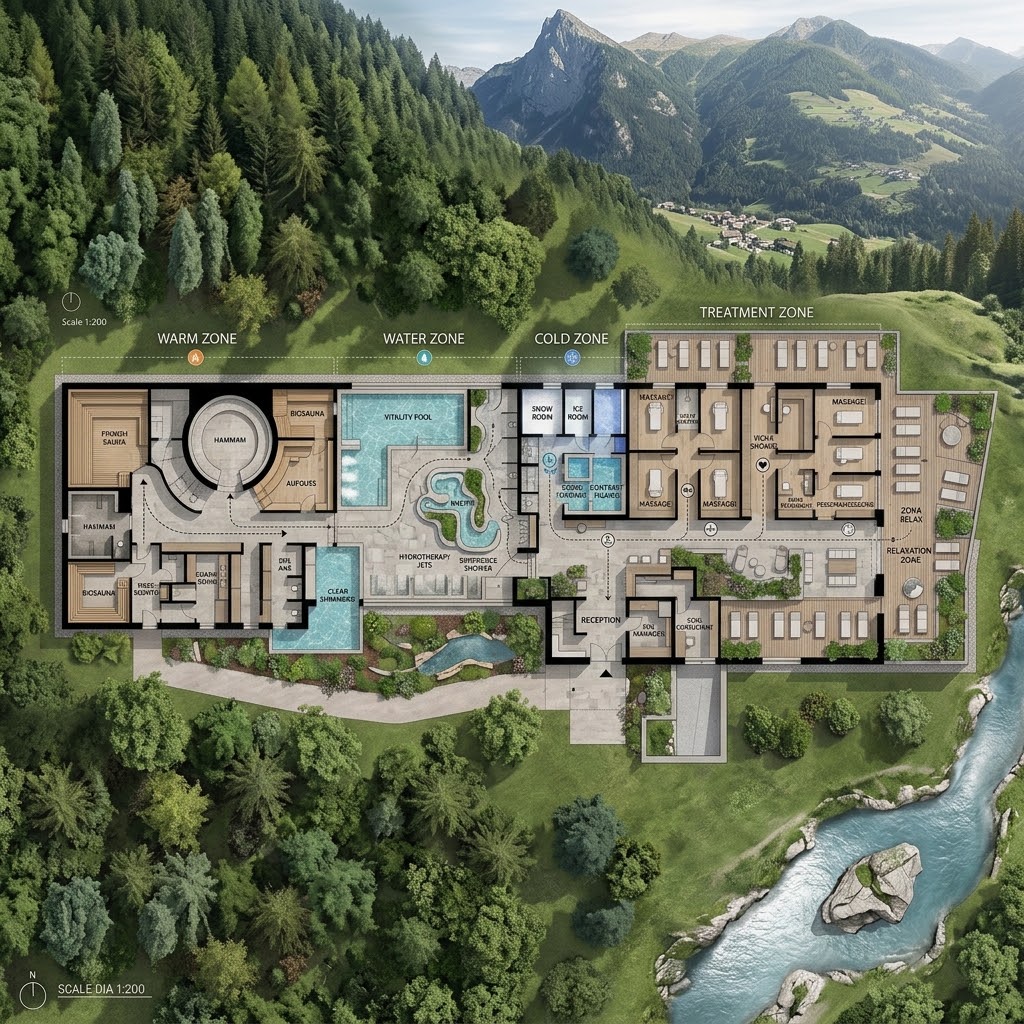
To translate this vision into functional and effective architecture, the design should be structured around five fundamental areas: heat, cold, water, treatments and relaxation.
1. The 5 Functional Areas of a SPA
Each of the five macro areas plays a specific role within the overall wellness journey:
2. How to Design the Circuit: Finding the Right Balance Between Heat and Cold
The success of a SPA journey lies in managing guest flow and respecting the physiological responses of the human body.
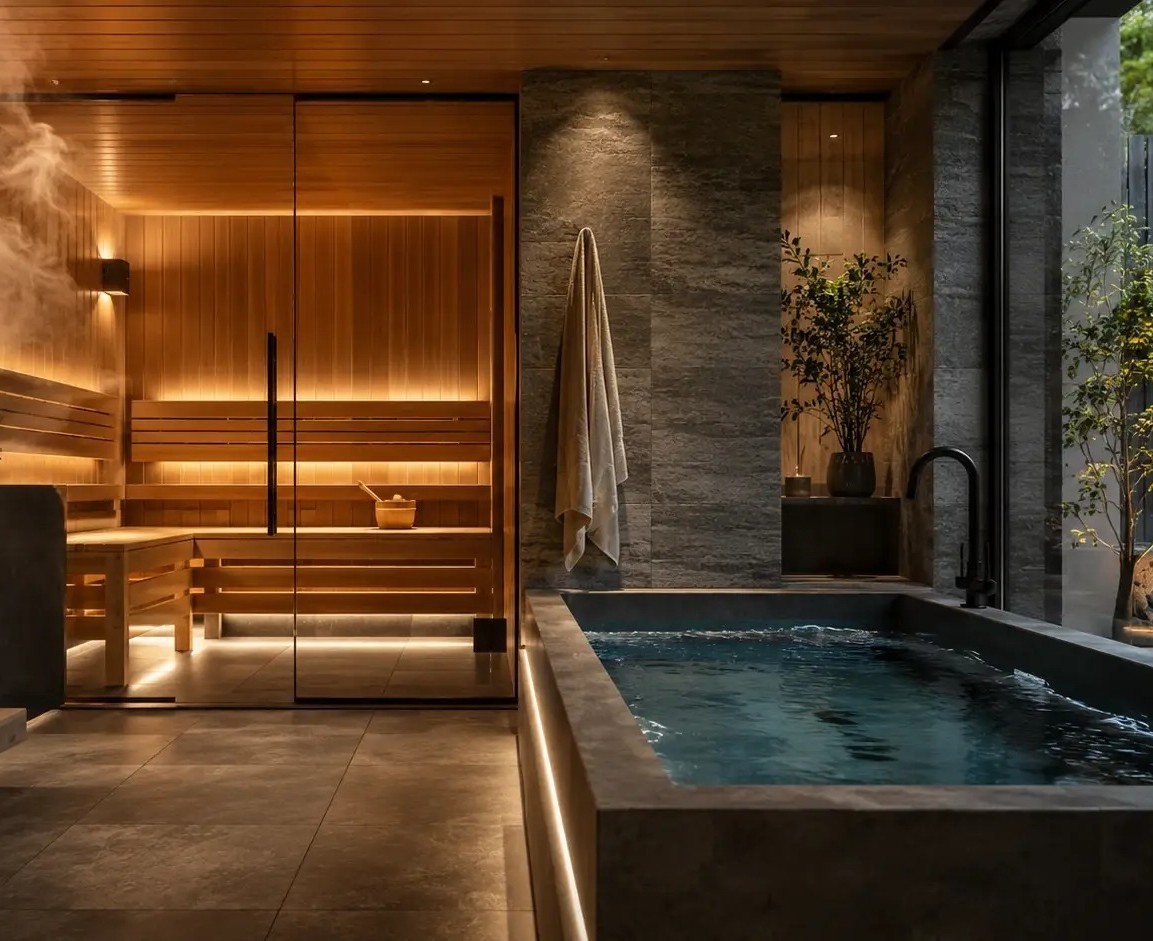
An effective circuit should never leave guests feeling disoriented. Thermal alternation, the long established yet highly relevant concept of thermotherapy or contrast therapy, requires a carefully structured sequence:
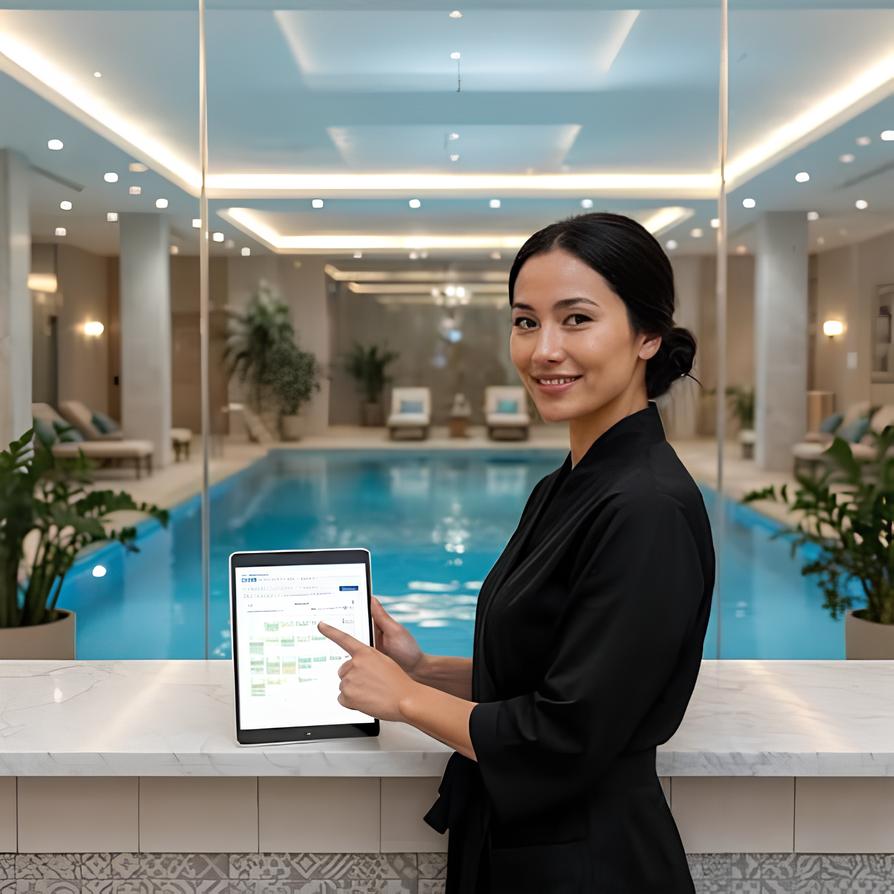
3. The Synergy Between Key Roles: SPA Consultant and SPA Manager
To turn a spatial vision into a facility that works over time, both in terms of the guest experience and economic sustainability, close collaboration between technical design and operational management is essential.
Follow Our SPA Design Guide
The next chapters of the guide will explore each of the key elements of SPA design in greater depth:
DISCOVER ALSO
-11f8e7.jpg)