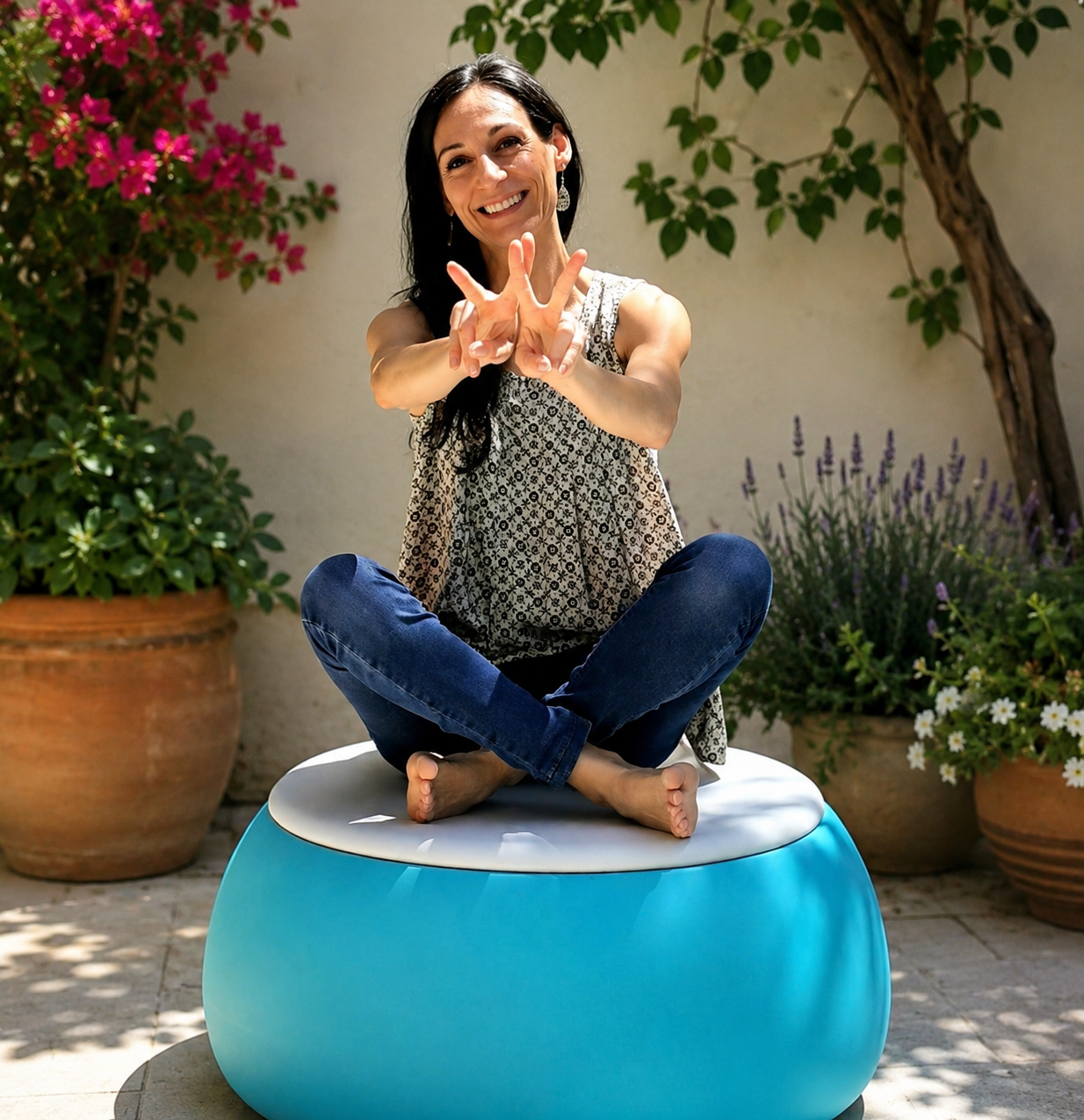
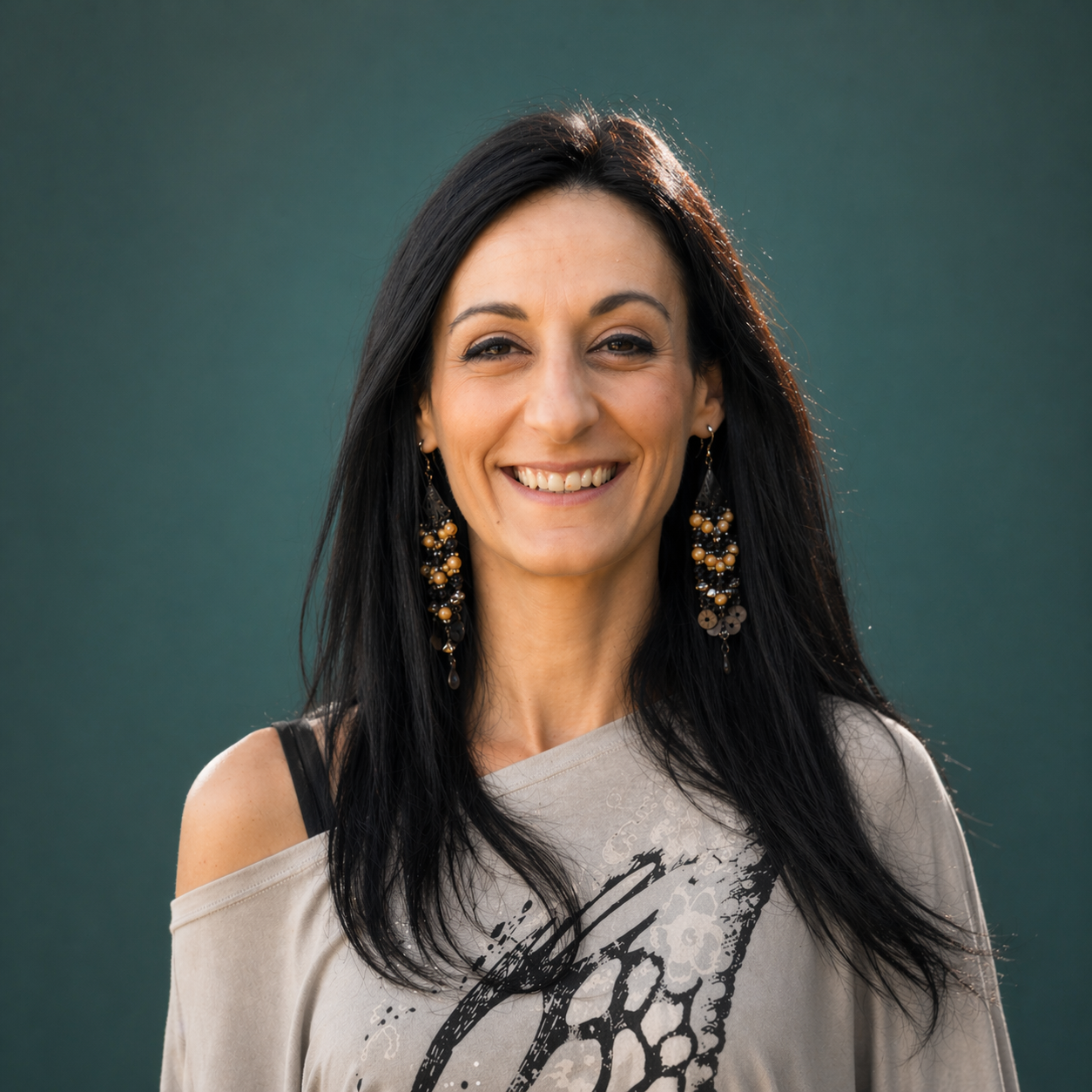
A career spanning nearly thirty years built entirely in the field, combining aesthetic vision, operational management, and applied neuroscience. Giovanna Lorrai, Wellness Destination Strategist and founder of the InEvoSpa method, guides us through the future of functional wellness. In this interview, Giovanna analyzes the evolution of the sector across multisensory paths, modular solutions, and immersive technologies, explaining why wellness is moving beyond the traditional boundaries of the SPA to become a widespread culture of hospitality and living.
Giovanna, first of all, we would like to know a little more about you.
Could you briefly tell us about your professional background and how you became a spa consultant?
I am a consultant for SPAs and wellness projects.
My career in the SPA industry has spanned nearly thirty years. It is a path built entirely in the field, which has allowed me to deeply understand not only the management and business side of a SPA, but also all those operational dynamics that are often underestimated during the design phase.
The SPA is one of the most complex sectors of hospitality because it combines experience, operational management, economic sustainability, and the human element. This is why the role of a consultant is essential. Only by integrating aesthetic vision, operational functionality, and real industry experience can you create facilities capable not only of making a visual impact, but also of performing successfully over time.
My continuous study has led me to develop a very broad vision of wellness: namely, the creation of a system capable of profoundly influencing the quality of the experience, the spaces, and people's lives.
Can you tell us about InEvoSpa: what do you do and what is your mission in the wellness industry?
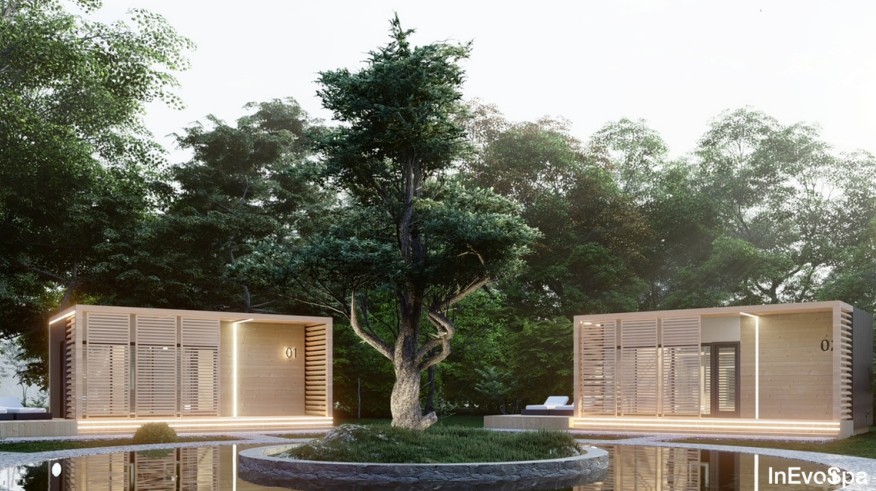
It is precisely from this evolution that InEvoSpa was born. It began as a green building modular SPA project, developed together with architect Vismara (Studio D73), who deeply believed in this vision. Today, these modules represent a concrete and timely solution for all those facilities that want to integrate wellness in a sustainable, modular, and accessible way, without necessarily facing the massive investments typical of traditional SPAs.
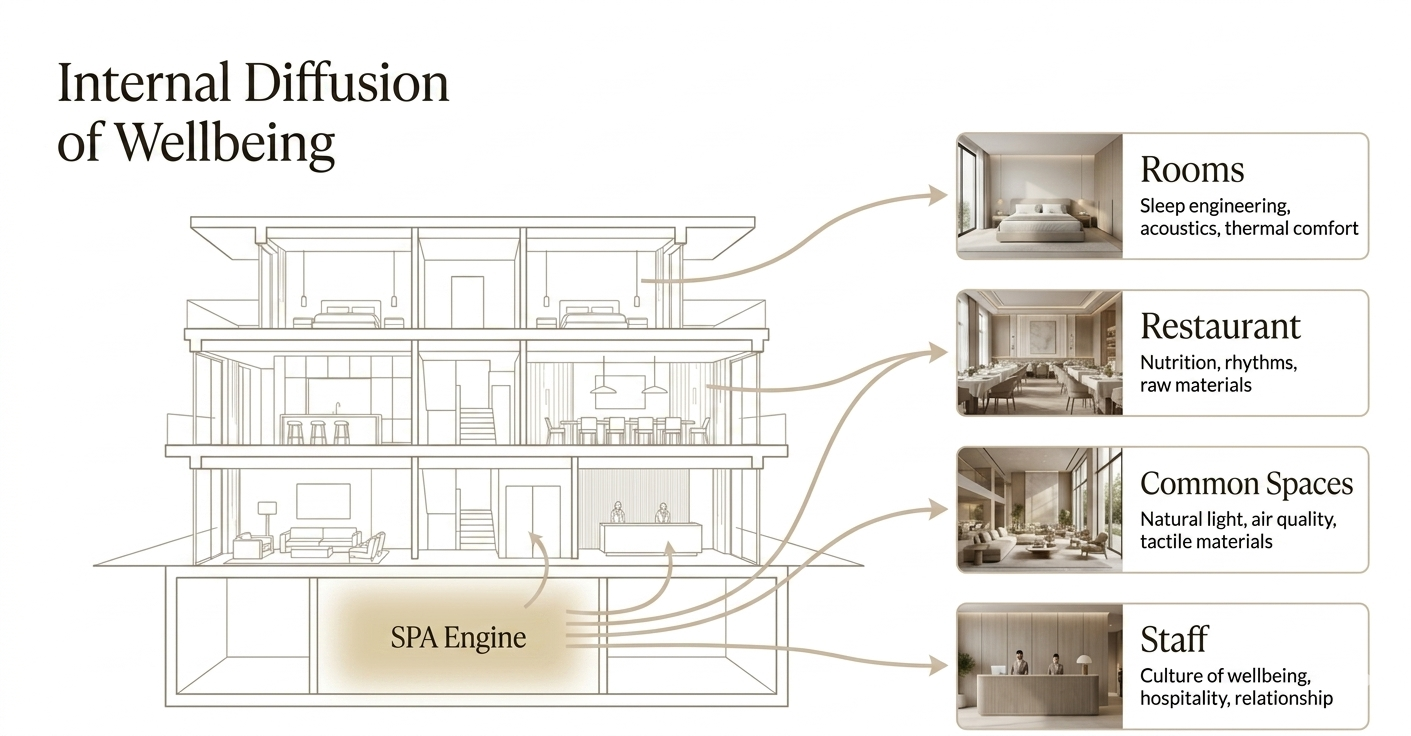
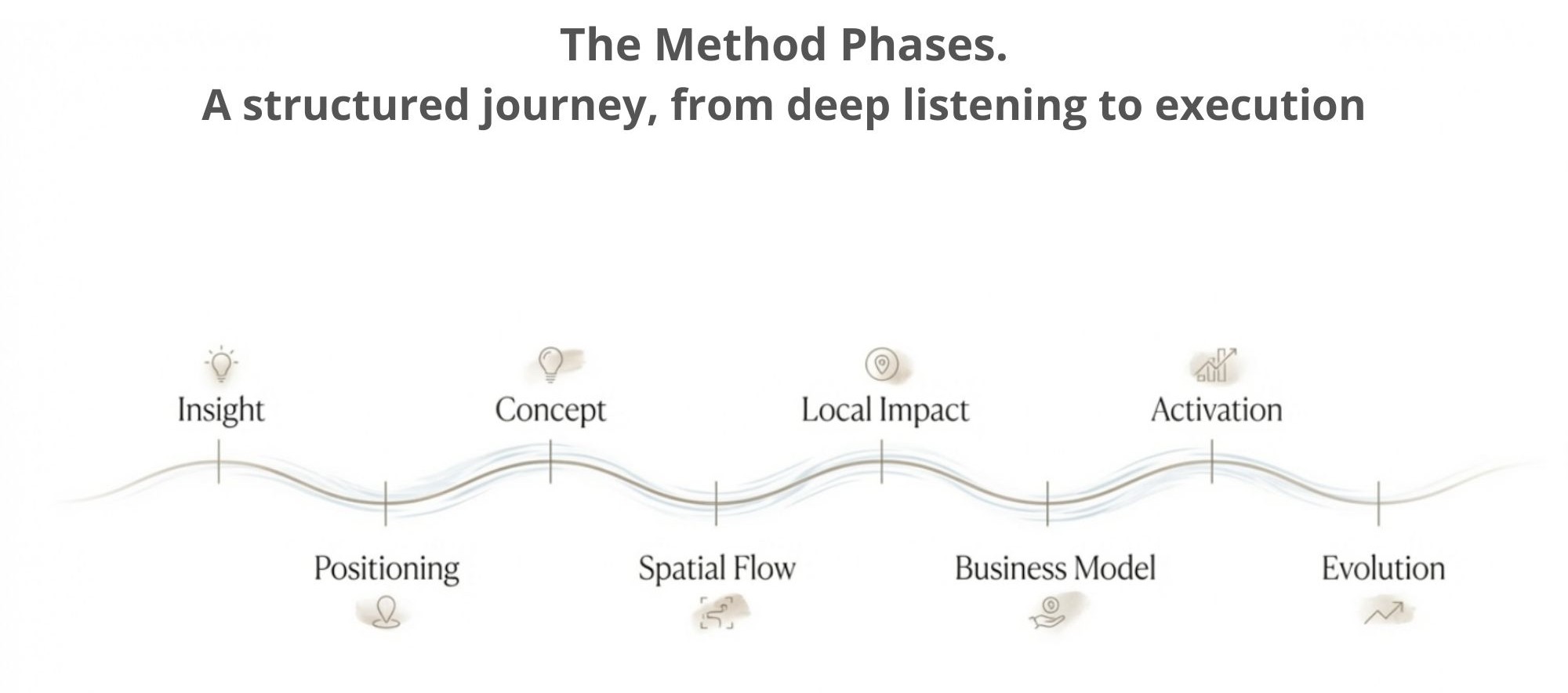
Over time, however, InEvoSpa has transformed into something even broader: a method. This is how the "InEvoSpa Method" was born—an approach that views wellness not as something to be confined exclusively to the SPA, but as an experience that must spread throughout the entire property and, in some cases, even into the surrounding territory.
I like to describe this concept using the image of a pebble thrown into water: when a stone falls into a body of water, it generates concentric waves that ripple outward. For me, wellness works exactly like that.
What are the key elements you consider essential for planning an effective and personalized spa journey?
The most important thing to understand is that today, a SPA journey can no longer be built in a standardized way. People arrive at facilities with deeply diverse needs: stress, the need to slow down, energy recovery, the search for balance, or a simple desire to reconnect with themselves.
Because of this, an effective wellness journey must, first and foremost, stem from an intelligent design of the experience. It is not just about choosing treatments or adding equipment, but about building a balance between spaces, flows, timing, sensory perceptions, and operational functionalities.
True wellness is born when everything functions harmoniously: light, sounds, temperature, materials, the customer journey, and space management must converse with one another.
Can you share examples of well-structured spa journeys that have had a positive impact on clients?
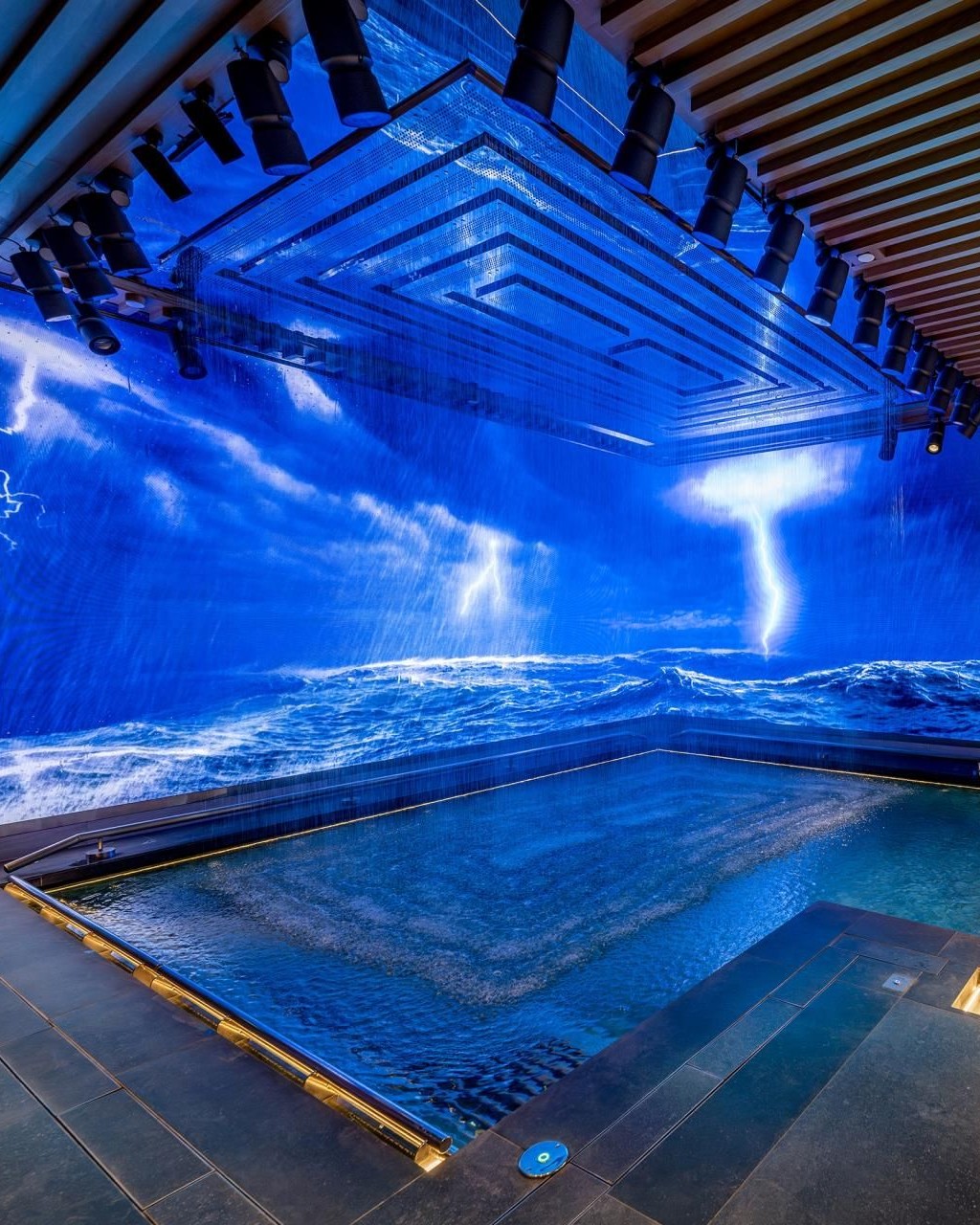
If I may give an example that directly concerns you, I am thinking of one of your latest, most extraordinary projects: The Velum Experience. A highly engaging water experience where the client enters an emotional dimension completely different from the usual.
In these cases, you cannot stop at the spectacular nature of the experience; you have to understand what that experience triggers within the person. An immersive environment built through water, sound frequencies, light, and positive sensory stimulation can increase the production of serotonin and endorphins, promoting feelings of well-being, relaxation, emotional fulfillment, and mental lightness.
And that is precisely the point: the client does not just leave "relaxed," but leaves transformed in the perception of their physical and emotional state. This is neuroscience, a subject that particularly fascinates me.
In your opinion, what are the main factors driving clients today to seek increasingly personalized experiences in wellness centers?
The first factor is definitely the profound change in people's lifestyles. We live in an increasingly fast-paced, overstimulated, and stressful society, where everyone develops very different physical and emotional needs. As a result, clients no longer see themselves in standardized experiences that are the same for everyone; instead, they look for something that truly responds to their mental, physical, and energetic state.
Another fundamental factor is growing awareness. Today, people are much better informed; they know about wellness, they read, they delve deeper, and they can distinguish what is authentic from what is built purely for marketing.
Clients are driven to seek experiences that are not only pleasant, but genuinely effective and, whenever possible, backed by scientific foundations.
And this is precisely why wellness is increasingly moving away from the traditional concept of a SPA to become a lifestyle, a culture of living, and a culture of hospitality.
What strategies do you recommend to meet these needs without compromising profit margins?
Today, wellness can be integrated everywhere: in outdoor spaces, in guest rooms, in sleep quality, in rituals, in nutrition, in sensory paths, or simply in the emotional perception of the hospitality experience.
When wellness becomes an integral part of the property's identity, it no longer represents just a cost, but a concrete lever for positioning, guest loyalty, and value.
Are there case studies or concrete examples of wellness centers that are successfully implementing tailored services?
Right now, rather than a single specific case study, I am thinking of a very interesting direction that several forward-thinking SPAs are beginning to take: the integration of epigenetics into wellness journeys.
Epigenetics is a science that studies how lifestyle, stress, nutrition, sleep, emotions, and the environment influence the expression of our organism. Today, some facilities are starting to use epigenetic tests to obtain extremely useful information about a person's current state.
This allows for a better understanding of predispositions, stress levels, inflammation, energy recovery, the general balance of the organism, and the specific needs of the client.
And this is where wellness becomes truly personalized.
Because it does not mean having a thousand different treatments or creating huge, sprawling SPAs, but rather succeeding in building journeys that are extremely targeted and aligned with the real needs of the person.
How is the concept of multisensory wellness redefining the experiences offered in wellness centers?
It is completely changing the way spaces and experiences are designed. This is because we need to create environments capable of positively influencing emotions, perceptions, and the nervous system.
Multisensory wellness works through light, sound, water, scents, materials, temperature, and emotional engagement.
And this is where technology and artificial intelligence can also become very interesting tools, especially in creating simple yet highly engaging immersive experiences.
What kind of investments are necessary to effectively implement multisensory wellness in a modern wellness center?
Today, multisensory wellness certainly requires more significant investments compared to a traditional SPA, because we are talking about technologies, tools, and systems capable of creating a much more advanced level of emotional and sensory engagement.
In recent years, technological development in this sector has been massive: immersive audio systems, dynamic light displays, interactive experiences, integrated sensory stimulations, reactive environments, advanced aromatherapy, and technologies linked to deep relaxation are completely changing the way we experience well-being.
These are tools that, when correctly designed, manage to generate results and emotions that a traditional SPA could hardly achieve on its own.
Because of this, however, the fundamental point is the design phase. The risk today is investing very high figures in spectacular but poorly functional technologies that are not genuinely integrated into the guest experience.
Multisensory wellness cannot be built simply by adding special effects. It must stem from a coherent design vision, where technology, space, emotional objective, and customer experience work together.
When this happens, the value perceived by the client changes completely, and the wellness experience becomes much more immersive, memorable, and transformative.
In your opinion, which trends will prove to be most influential in the wellness sector in the coming years?
I believe a very profound transformation of the concept of wellness itself is already taking place. We will shift more and more from aesthetic wellness to functional wellness, designed to tangibly improve people's quality of life.
There will be significant growth in everything related to longevity, energy recovery, sleep regulation, digital detox, gentle biohacking, neuroscience applied to well-being, and immersive wellness. Above all, however, the demand for authentic, coherent, and truly transformative experiences will grow.
Today, clients no longer just want to "have a treatment": they want to understand why that experience is good for them, they want perceptible results, and they want to feel like an active part of their own wellness journey.
And then there is a fundamental theme: wellness will increasingly move out of the SPA. It will enter architecture, urban planning, hospitality, workplaces, communities, and even regional development policies. This is why today we talk more and more about wellness destinations and not simply wellness centers.
What strategies do you consider fundamental to help wellness centers evolve rapidly and remain competitive in this continuously changing market?
The facilities that will truly succeed are those capable of building a wellness identity that is coherent with their local territory, their architecture, and their audience.
Another fundamental aspect will be training. Wellness evolves quickly, and anyone working in this sector cannot afford to stop studying. Today, we need skills that combine management, neuroscience, customer experience, sustainability, technology, and emotional design.
And finally, it will be increasingly important to design wellness as a widespread experience. This is precisely the difference between having a SPA and truly being a wellness facility.
In which areas, such as sustainability, technology, or new services, do you see the most promising opportunities to innovate the sector?
The truth is that today, to truly innovate the wellness sector, we must be ready to work on all these areas simultaneously. We can no longer afford to exclude any of them, because sustainability, technology, experiential design, and new services are now in a continuous dialogue with one another.
Deeply understanding these tools and evolutions allows us to grasp when, where, and above all how to implement them in a smart and coherent way.
However, what I believe in most is certainly sustainability, but in its broadest and most authentic sense. Not only environmental sustainability, but also economic, social, and cultural.
A wellness facility today must be sustainable not only in terms of materials or consumption, but also in the quality of the experience it offers, the well-being of the people who work there, its relationship with the local territory, and its ability to create real value over time.
Technology, too, if used correctly, can become an extraordinary tool to enhance personalization, sensory immersion, and the customer experience. But it must always remain at the service of human well-being, not replace it.
I believe that the future belongs precisely to those projects capable of harmoniously integrating all these dimensions, building wellness experiences that are increasingly mindful, authentic, and deeply human.
Giovanna Lorrai
Wellness Destination Strategist, SPA & Wellness Tourism Consultant, Wellness Event Manager, Founder InEvoSpa Method,
Sardinia Ambassadress of World Wellness Weekend and World Digital Detox Day
www.InEvoSpa.com
DISCOVER ALSO